
For centuries, the human eye has found meaning in three‑dimensional forms that rise, curve, and recede from the viewer’s perspective. When we speak of sculpture, we are not simply referencing a carved stone or a welded steel— we are discussing a language that conveys movement, emotion, and narrative in space. The term “sculpture form” encapsulates the physical manifestation of this language, the contours, planes, and volumes that artists manipulate to invite engagement. Understanding sculpture form involves examining how artists translate ideas into material, how viewers perceive depth and texture, and how cultural contexts shape the evolution of this art discipline.
Foundations of Three‑Dimensional Expression
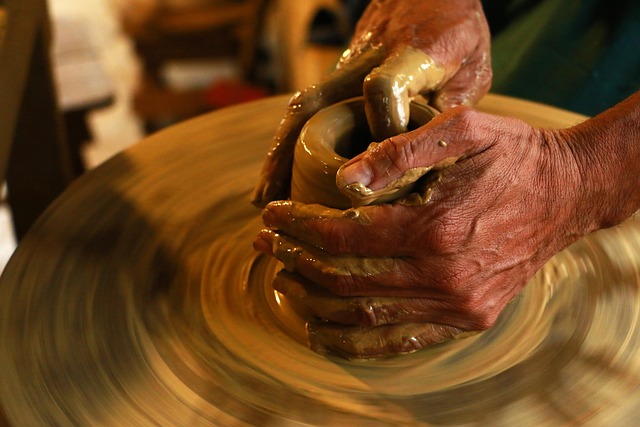
At its core, sculpture form arises from the interplay between mass and void. Artists sculpt by adding or removing material, creating a silhouette that occupies a specific volume within the surrounding space. This process is inherently iterative; a sculptor begins with a concept, translates it into a working model—often in clay or wax—and then refines the form through successive iterations.
- Mass and Balance: The distribution of weight determines how a piece feels to the viewer. A heavy, grounded base can convey stability, while a slender, elevated section may suggest fragility.
- Surface Treatment: Texture, polish, and patina influence how light interacts with the sculpture, adding layers of visual depth.
- Spatial Relationships: The way a sculpture occupies a particular area—whether it dominates the room or invites intimate interaction—shapes the audience’s experience.
Historical Trajectories of Sculpture Form
The evolution of sculpture form mirrors the broader shifts in artistic intent and societal values. Early stone carvings from ancient civilizations served primarily symbolic or functional purposes, often emphasizing religious or commemorative themes. As artistic movements emerged, the emphasis on form shifted from representation toward abstraction and conceptual exploration.
“Sculpture is the art of making the invisible visible, of turning an idea into a tangible presence.” – Anonymous
From the rigid realism of Renaissance marble to the kinetic dynamism of 20th‑century installations, each era contributed distinct vocabularies to the toolbox of sculptors. These vocabularies, in turn, influenced how audiences perceived and interacted with sculpture form, encouraging them to consider the relational aspects between the piece, its environment, and themselves.
Materials as Narrative Vehicles
While the conceptual core of a sculpture is universal, the material choice determines how form speaks to the viewer. Each medium carries its own symbolic resonances and technical possibilities:
- Stone: Offers permanence, evokes antiquity, and requires subtractive techniques that highlight mastery of carving tools.
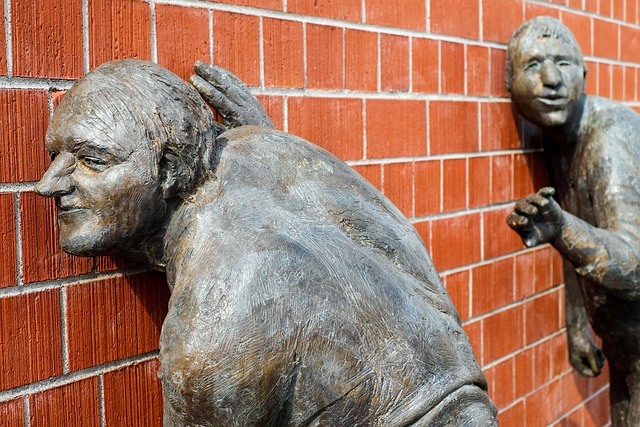
- Metal: Enables both fluidity and strength; welded steel can achieve monumental scale, while bronze allows for intricate detailing.
- Wood: Brings warmth and natural texture; carving wood demands a deep understanding of grain and durability.
- Found Objects: Assemblages that repurpose everyday materials challenge traditional notions of value and aesthetic.
- Digital Fabrication: 3D printing and laser-cutting introduce new forms, allowing sculptors to explore complex geometries that were previously impractical.
Choosing a material is not merely a technical decision; it becomes an integral part of the narrative conveyed by sculpture form.
The Role of Contextual Space
A sculpture does not exist in isolation; its surrounding environment plays a critical role in shaping perception. Open galleries provide freedom for viewers to walk around and examine the work from multiple angles, while enclosed rooms can create a more intimate, contemplative experience. Outdoor installations must contend with weather, natural light, and audience flow, which can transform how the sculpture form is received.
In urban settings, public sculptures often interact with the city’s architecture, becoming landmarks that influence social dynamics. In museums, carefully curated lighting and spacing ensure that the sculpture’s form is accentuated without overwhelming the viewer.
Interdisciplinary Influences on Sculpture Form
Contemporary sculpture frequently blurs boundaries with other disciplines, leading to innovative explorations of form. Collaboration with architects, engineers, and technologists expands the possibilities for scale, material manipulation, and interactivity.
- Architectural Integration: Buildings and sculptures can be designed in tandem, allowing structural elements to serve as sculptural forms.
- Performance Art: Live movement can become an extension of sculpture, where the body’s motions carve space in a temporal sense.
- Environmental Art: Sculptures that incorporate natural processes—such as erosion or growth—redefine the concept of permanence in form.
- Digital Interactivity: Sensors and responsive systems allow sculptures to change shape or illumination in response to viewer presence.
These interdisciplinary approaches enrich the vocabulary of sculpture form, pushing the boundaries of what can be considered “art.”
Case Studies: Transformative Sculpture Forms
Examining specific works reveals how conceptual intentions translate into physical presence:
- David (Michelangelo): A marble masterpiece that epitomizes idealized human anatomy, showcasing the sculptor’s mastery of form to capture both physical perfection and psychological depth.
- Cloud Gate (Anish Kapoor): A reflective stainless steel sphere in Chicago that refracts and distorts the surrounding cityscape, inviting passersby to see themselves as part of the sculpture’s form.
- Untitled (Sculpture of Time) (Yayoi Kusama): An immersive installation of mirrored surfaces that creates infinite reflection, challenging notions of space and self.
- Spiral Jetty (Robert Smithson): A large-scale earthwork that blends geological materials with the natural environment, creating a dynamic interplay between permanence and change.
Each example underscores how sculpture form serves as a conduit for broader cultural and philosophical dialogues.
Future Directions: Sustainability and Ethics in Sculpture Form
As global consciousness around environmental stewardship grows, artists are reevaluating the sustainability of materials and processes. Innovative approaches include:
- Using recycled metals and composites to reduce carbon footprints.
- Incorporating biodegradable materials that decompose naturally.
- Employing digital fabrication to minimize waste during prototyping.
- Collaborating with communities to ensure that cultural heritage informs material selection.
Ethical considerations also extend to the representation of cultural narratives, ensuring that sculpture form honors the voices of marginalized communities rather than appropriating them.
Engaging the Audience: Education and Accessibility
Public engagement remains a vital component of sculpture’s impact. Museums and galleries increasingly adopt interactive tools—augmented reality overlays, tactile replicas, and guided tours—to democratize access to sculpture form. Educational programs that encourage hands-on experimentation help nurture new generations of artists who will carry forward the evolving language of three‑dimensional art.
Conclusion: The Living Language of Sculpture Form
Sculpture form is far more than static stone or solid metal; it is a living, breathing language that communicates across time, culture, and space. By understanding the fundamental principles of mass, texture, and spatial relationships, we gain insight into how artists translate intangible ideas into tangible experiences. The ever‑evolving dialogue between materials, context, and technology ensures that sculpture form will continue to adapt, challenge, and inspire audiences worldwide.