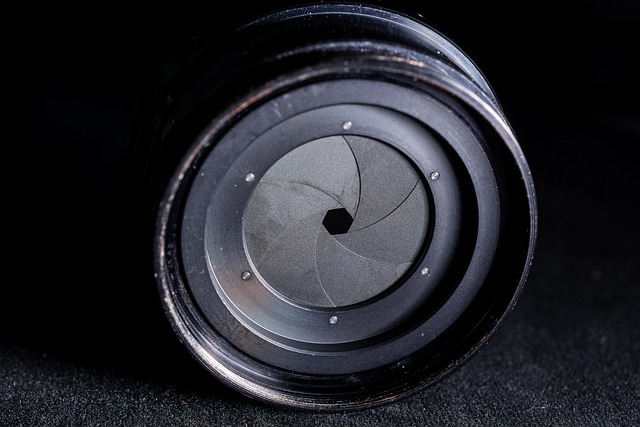

In the ever-evolving world of fine arts photography, the pursuit of capturing evocative, thought-provoking imagery rests heavily not only on the creative talent behind the lens but also on the tools in hand. One such crucial tool, often underestimated yet fundamental, is the kit objective. As a foundational component of any photographer’s arsenal, this lens supports the cultivation of artistic expression, enabling budding and professional photographers alike to bring their visions to life.
Fine arts photography, unlike editorial or commercial photography, thrives on the interpretation and emotional depth conveyed through images. Here, the kit objective becomes more than just a lens—it transforms into a bridge between culture, imagination, and reality. With it, photographers can experiment with light, shadow, focus, and composition, each frame captured telling a story that speaks volumes about societal values, personal identity, and the human experience.
Culture plays a vital role in influencing the themes and perspectives photographers explore. Whether documenting the vibrant celebrations of an indigenous community or portraying the quiet solemnity of urban loneliness, the kit objective allows for flexibility and immediacy. Its ability to adapt to various lighting conditions and subjects enables artists to remain present and spontaneous—qualities essential in capturing authentic moments.
Art, at its core, is about communication and connection. A fine arts photograph taken with a standard kit objective lens might reveal the nuances of a weathered face, the textures of a forgotten building, or the interplay between natural and artificial light in unexpected places. These simple, unembellished tools encourage artists to look deeper, to rely not just on equipment but on their own interpretive skills and emotional resonance.
In a world often consumed by the pursuit of perfection through high-end gear, the humble kit objective serves as a reminder that art thrives not in complexity, but in intention. Students and emerging photographers frequently begin their explorations with a kit lens—and for good reason. It delineates the line between technical reliance and emotional intuition, helping to shape a style grounded in both accessibility and creativity.
Photography, particularly within the fine arts domain, is as much about self-discovery as it is about visual storytelling. The kit objective invites photographers to explore their unique voice, to engage with cultural narratives, and to express nuanced perspectives with modest but capable equipment. It empowers artists to challenge norms, provoke thought, and inspire change—all through the lens of a seemingly ordinary piece of gear.