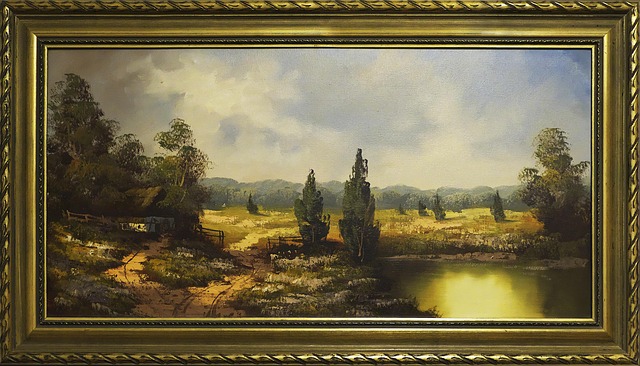


Throughout history, painting has served as a powerful medium for storytelling, emotional expression, and cultural commentary. At the heart of this creative tradition lies thematic research—an essential process that informs the narratives behind each stroke of color and each canvas brought to life. The combination of Fine Arts and Culture within thematic research allows artists to delve deeply into the subjects they portray, uncovering layers of meaning and forging connections between the past and the present.
In the world of fine arts, painting is rarely just about aesthetics. It’s about purpose and perspective. Artists often begin their work by immersing themselves in a theme, whether that be social justice, identity, spirituality, or the human condition. This process of thematic research is more than academic—it is emotional and transformative, mirroring life itself. It enables the painter to explore not only external subjects but also internal landscapes that resonate with audiences on a deeply personal level.
Culture plays a pivotal role in shaping these themes. An artist immersed in thematic research draws upon their cultural heritage, history, and environment for inspiration. Whether interpreting ancient folklore or reflecting on modern-day societal shifts, every brushstroke becomes a dialogue with the world around them. This synthesis of culture and art invites viewers to reconsider their own perceptions, offering insight into experiences that may be vastly different or strikingly similar to their own.
Furthermore, the evolution of thematic research in painting speaks to the dynamic interplay between tradition and innovation. Classical painters like Diego Rivera or Frida Kahlo used their work to illustrate complex cultural and political stories, embedding themes that are still studied today. Contemporary painters continue this legacy, addressing topics such as globalization, climate change, and racial identity. Their artworks challenge the norm and provoke thought, making painting a powerful form of cultural expression and activism.
The process of engaging in thematic research is also deeply reflective. Artists often embark on a journey of discovery, guided by curiosity and emotion. This journey transforms the act of painting into a meditative practice, where time slows, and the only thing that matters is the connection between the heart, the mind, and the canvas. For those who view these works, the themes speak across languages and barriers, forming a universal dialogue through art.
In today’s interconnected world, the role of thematic research in painting is more vital than ever. Artists are no longer confined to local narratives; digital platforms allow them to reach global audiences, incorporating multicultural themes and fostering empathy through visual storytelling. By using their artwork to emphasize shared human experiences or highlight urgent global issues, painters serve as both visionaries and documentarians of our time.