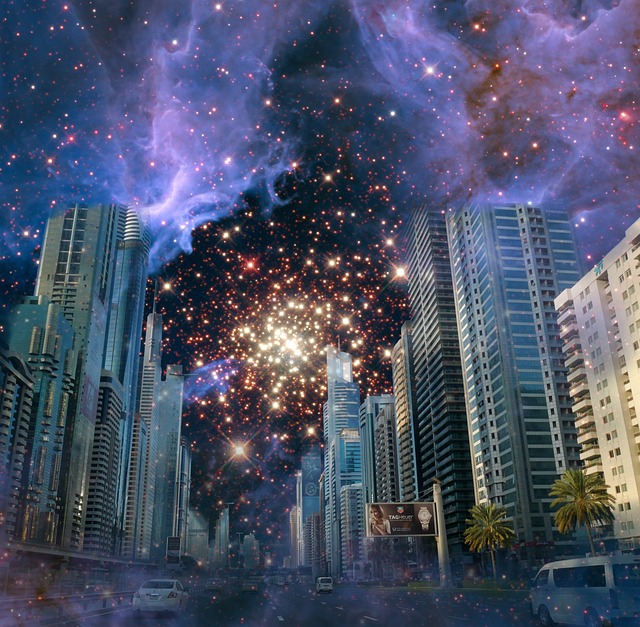

When a visitor steps into an immersive art installation, the ordinary rules of space, time, and perception shift. The work ceases to be a static object and becomes a living, breathing experience that unfolds in real time. Artists harness light, sound, motion, and even scent to craft environments that invite the observer to participate, to feel, and to question the boundary between art and life.
The Rise of Immersive Installations
The last decade has seen a dramatic rise in installations that envelop the viewer. Where once galleries were quiet, contemplative halls, contemporary studios now transform entire rooms or outdoor spaces into narratives that engage all five senses. This shift is not merely aesthetic; it reflects a broader cultural movement toward interactivity and personal agency. The result is an art form that is as much about the viewer’s inner response as it is about the objects on display.
- Use of spatial design to create labyrinthine pathways
- Integration of interactive technology such as motion sensors
- Layering of audio tracks that respond to movement
- Incorporation of tactile materials for hands‑on engagement
Sensory Engagement as a Core Principle
Immersive installations thrive on the principle that the more senses you can activate, the deeper the experience. Light can paint the walls in shifting colors, while sound can ripple through the air, and subtle scents can evoke memories. Even temperature changes—cool breezes or warm glows—add another dimension. By weaving these elements together, artists create environments that feel like a second reality, where every turn of the viewer’s head brings a new revelation.
“The most powerful installations are those that make you forget you’re standing in a gallery,” says curator Elena Marquez. “You become part of the narrative instead of a spectator.”
Case Studies of Landmark Installations
To illustrate the breadth of this medium, we examine a few seminal works that have redefined what it means to encounter art. Each case demonstrates a unique way of guiding the audience through a visceral, memorable experience.
- “Spheres of Light” by Maya Patel – A series of translucent globes suspended in a dim space, each glowing in response to touch. The installation invites viewers to interact physically, turning the act of touching into a shared dialogue between art and participant.
- “Echoes of the Forest” by James Okafor – A soundscape that mimics the layered noises of a rainforest, projected from hidden speakers. As visitors move through the maze of trees, the audio shifts, creating an intimate conversation between the audience and the environment.
The Role of Technology
Technology has become an indispensable ally for immersive artists. Motion‑capture systems, pressure sensors, and projection mapping allow installations to respond in real time to the presence of the audience. This responsiveness turns the viewer into an active co‑creator, enhancing the sense of ownership over the experience. It also opens up new possibilities for storytelling, where narratives can evolve based on collective engagement.
Impact on Culture and Community
Immersive installations do more than captivate individual senses; they foster communal dialogue and cultural exchange. By inviting audiences to step inside a story, these works can break down preconceptions and encourage empathy. When people gather in a shared space, the collective experience often sparks conversations that extend beyond the exhibition hall, influencing how communities perceive art, identity, and shared history.
Education and Accessibility
Educational institutions are increasingly incorporating immersive art into curricula. By providing students with hands‑on encounters, teachers can illustrate abstract concepts—such as light physics or cultural symbolism—in a tangible way. Moreover, the inclusive nature of many installations makes art accessible to people with different sensory needs, ensuring that the experience is shared across a diverse spectrum of visitors.
Future Directions
The trajectory of immersive installations points toward even greater integration of emerging technologies such as augmented reality (AR) and virtual reality (VR). These tools promise to blur the line between physical and digital realms, creating hybrid environments where the viewer can navigate both tangible and virtual spaces simultaneously. At the same time, artists are turning to sustainable materials and biodegradable media to align the experience with ecological consciousness.
Challenges and Ethical Considerations
With great power comes responsibility. Immersive art can trigger intense emotional responses, and artists must design with safety and consent in mind. Additionally, as installations become more technologically advanced, questions about data privacy and digital footprints arise. Ethical guidelines are beginning to form, ensuring that the experience remains respectful, inclusive, and mindful of its broader social impact.
Conclusion
Immersive installations represent a vibrant frontier in fine arts, where the act of experiencing becomes the central element of artistic expression. By engaging all senses, leveraging technology, and inviting communal participation, these works transform passive observation into active involvement. As culture continues to evolve, the experience offered by immersive art will remain a powerful catalyst for empathy, dialogue, and creative discovery.