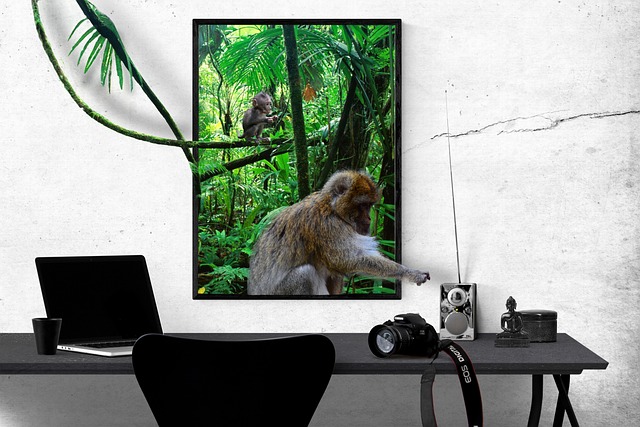

In recent years, the convergence of technology and traditional artistic expression has opened a new avenue for creative exploration: digital montage. Unlike conventional collage, which relies on physical materials, digital montage allows artists to layer images, textures, and multimedia elements within a virtual canvas, granting unprecedented flexibility and dynamism. This medium not only challenges the boundaries of representation but also invites viewers to experience layered narratives in ways that were previously unimaginable.
Origins and Evolution of Montage Techniques
Montage, in its earliest sense, refers to the art of assembling disparate parts into a cohesive whole. From the early 20th‑century avant‑garde movements—such as Dada and Constructivism—to the cinematic techniques of Eisenstein, montage has always been a tool for manipulating time, space, and meaning. The digital age amplified this legacy, providing software that can perform complex operations like layer blending, masking, and animation with a few clicks. As a result, digital montage has become a natural extension of the historical montage practice, but with a distinctively contemporary flavor.
Key Technologies Shaping Digital Montage
Several technological innovations underpin the rise of digital montage:
- Graphics tablets and stylus input offer tactile control over pixel‑level editing, bridging the gap between hand‑drawing and digital manipulation.
- Layer management systems in software like Photoshop and GIMP allow artists to experiment with depth, opacity, and blending modes without irreversible changes.
- Artificial intelligence filters can transform photographs into stylized images, apply generative patterns, or predict color harmonies, thereby expanding the palette available to the montage artist.
Conceptual Foundations in Fine Arts
At its core, digital montage is a visual language that thrives on juxtaposition and synthesis. By superimposing seemingly unrelated elements, artists can explore themes such as memory, identity, and cultural hybridity. In contemporary art, the method often serves as a critique of media saturation, where information overload is distilled into a single, compelling image. The layered nature of digital montage mirrors the fragmented narratives of our digital lives, making it an apt medium for expressing postmodern sensibilities.
Case Studies: Artists Who Embrace Digital Montage
Several prominent artists have made significant contributions to the field, demonstrating the medium’s versatility:
- Artist A combines archival footage with contemporary street photography, creating a dialogue between past and present that challenges historical narratives.
- Artist B uses generative art algorithms to overlay abstract textures onto portraiture, highlighting the fluidity of identity in a digital age.
- Artist C employs 3D modeling in tandem with photographic layers to construct immersive, narrative environments that invite audience participation.
Technical Workflow of a Digital Montage Project
The creation process typically follows these stages:
- Concept Development – Sketching or drafting a narrative outline and identifying potential source materials.
- Source Acquisition – Gathering high‑resolution images, textures, and multimedia files while ensuring proper licensing.
- Layer Construction – Importing assets into a digital workspace, arranging them into logical layers, and applying masking to isolate regions.
- Blending and Color Correction – Adjusting opacity, using blend modes, and color grading to unify disparate elements.
- Refinement and Export – Polishing details, adding final effects, and exporting the composition in formats suitable for print or web.
Challenges and Ethical Considerations
“The more tools we have, the more responsibility we carry.” — Anonymous Digital Artist
Digital montage’s power brings ethical questions about authenticity, appropriation, and intellectual property. Artists must navigate licensing agreements, especially when remixing copyrighted content. Additionally, the ease of manipulation raises concerns about misinformation, underscoring the importance of transparent documentation and, where possible, provenance statements that trace the lineage of each component.
Impact on the Visual Culture Landscape
Digital montage has reshaped how audiences consume visual media. In an era dominated by social media, where images are rapidly edited and disseminated, the montage technique reflects the everyday practice of image layering. As a result, the line between amateur and professional blurs, democratizing artistic production. Galleries and museums have responded by curating dedicated exhibitions that showcase digital montage works, further legitimizing the medium within the fine arts canon.
Future Directions and Emerging Trends
Looking ahead, several trends are poised to influence the trajectory of digital montage:
- Virtual Reality Integration – Artists are exploring 3D montage within immersive environments, allowing viewers to navigate layered compositions spatially.
- Procedural Generation – Algorithms that create or alter layers in real time, offering endless variability and audience interactivity.
- Cross‑Disciplinary Collaboration – Partnerships between visual artists, musicians, and writers are producing multi‑sensory montage installations that transcend traditional mediums.
Conclusion: The Continuing Dialogue Between Technology and Art
Digital montage exemplifies how technology can expand the expressive capacity of fine arts without replacing the human element. By allowing artists to weave complex narratives from a multitude of sources, the medium invites us to reconsider how meaning is constructed and perceived. As tools become more sophisticated and accessible, the possibilities for experimentation will only grow, ensuring that digital montage remains a vibrant frontier for cultural expression and artistic innovation.