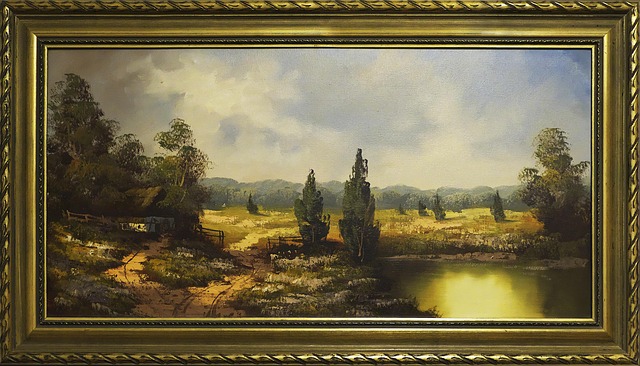


When we think about the evolution of fine arts, it’s fascinating to explore the various movement methods that have shaped the way we perceive and create art. In the realm of painting, different art movements have emerged throughout history, each reflecting the cultural ethos of its time. These movement methods have not only revolutionized the artistic techniques but have also played a crucial role in expressing cultural narratives.
One of the most significant aspects of movement methods in painting is how they capture the essence of a particular era. From the classical realism of the Renaissance to the avant-garde approach of the modernist movements, each style speaks volumes about the societal values and beliefs prevalent at that time. Artists have used their brushstrokes to challenge traditions, provoke thoughts, and redefine the boundaries of artistic expression.
The beauty of movement methods lies in their ability to transcend the limitations of language and communicate universal emotions. Through color, composition, and symbolism, artists can convey complex ideas and evoke strong feelings in the viewer. Whether it’s the emotional intensity of expressionism or the geometric precision of cubism, each movement has a unique way of engaging with the audience.
Furthermore, movement methods in painting serve as a reflection of our cultural identity. They provide us with a window into the past, allowing us to understand the values, struggles, and triumphs of different societies. By studying these art movements, we gain insights into the collective consciousness of humanity and develop a deeper appreciation for the diversity of cultural expressions.
As we navigate the rich tapestry of art history, it’s important to acknowledge the profound impact of movement methods in shaping the course of fine arts. They remind us that art is not just a visual spectacle but a mirror that reflects the ever-changing landscape of our culture. By embracing the legacy of these movements, we honor the artists who dared to challenge the status quo and paved the way for future generations to explore new artistic horizons.
In conclusion, the study of movement methods in painting is not just an exploration of artistic styles but a journey through the depths of human creativity and cultural evolution. It’s a testament to the enduring power of art to transcend time and speak to the hearts of people across generations.