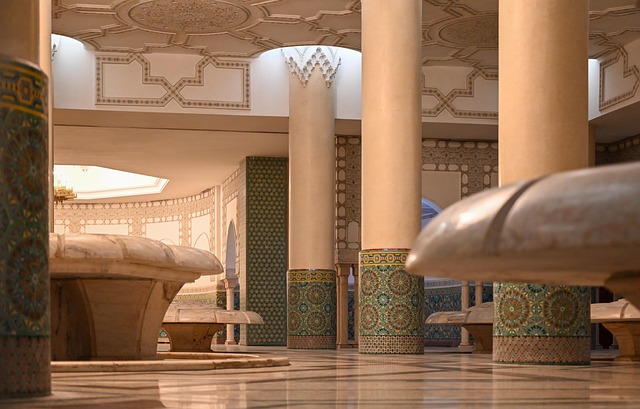


The practice of creating art that is both individualized and reflective of collective heritage has gained new momentum in recent years. Artists and designers are increasingly embracing the concept of a Personalized mosaic—a piece that marries traditional ceramic tiles or glass fragments with contemporary narrative. This evolution underscores the dynamic dialogue between personal memory and cultural symbolism, allowing each work to serve as a living testament to its maker’s identity while resonating with a broader artistic community.
Origins of Mosaic Craftsmanship
From the ancient mosaics of Pompeii to the Byzantine iconography adorning cathedral floors, the art form has always been a conduit for storytelling. Early mosaics relied on geometric patterns or vivid iconography, often commissioned by patrons to display power or piety. Over time, the technique evolved, incorporating new materials such as glass, enamel, and even recycled objects. These adaptations not only expanded aesthetic possibilities but also democratized mosaic creation, making it accessible to artisans across social strata.
Materials and Techniques
Modern Personalized mosaics employ a wide array of substrates—ranging from traditional clay tiles to unconventional media like reclaimed wood or even digital surfaces. The process begins with a careful selection of tesserae, each chosen for color, texture, or symbolic resonance. Artists then arrange these fragments into patterns that can be strictly geometric or organically fluid, guided by the narrative they wish to convey. Binding materials, such as grout or epoxy, serve both structural and aesthetic purposes, allowing the mosaic to endure while enhancing visual depth.
“The true beauty of a mosaic lies in the deliberate placement of each fragment,” says a contemporary artist who has worked extensively with mixed media.
Personalization as Cultural Commentary
When an artist infuses a mosaic with personal symbols—family heirlooms, local flora, or memories of a particular place—the work transcends mere decoration. It becomes a medium for cultural dialogue, bridging generational divides and honoring heritage. In communities where oral histories risk fading, Personalized mosaics can capture the essence of collective identity in a tangible, lasting form. The process often involves collaboration, inviting community members to contribute fragments or design ideas, further embedding the piece within its cultural context.
Case Study: Community Mosaics in Urban Spaces
Urban renewal projects have increasingly incorporated Personalized mosaics as a strategy for fostering community pride. A notable example is a series of street-side panels created in a revitalized neighborhood, where residents contributed tiles representing significant local events. The resulting mosaics not only beautified the area but also served as visual chronicles of the community’s evolution, prompting residents to engage with their surroundings in new, meaningful ways.
- Design consultation with local historians and residents.
- Collection of personal artifacts to be transformed into tesserae.
- Installation of finished panels in public spaces.
The Role of Technology in Modern Mosaic Art
Advancements in digital design tools and additive manufacturing have reshaped the possibilities of mosaic creation. Software applications allow artists to simulate tessellation patterns with precision, predicting color interactions and spatial distribution before any physical work begins. Moreover, 3D printing technologies enable the production of custom tesserae with intricate designs that would be difficult or impossible to achieve by hand. These technological integrations preserve the authenticity of traditional techniques while pushing the boundaries of artistic expression.
Interactive Mosaics: A New Frontier
Interactive mosaics, which respond to viewer input or environmental factors, represent an exciting intersection of art and science. By embedding sensors or using responsive pigments, artists can create works that shift in hue or pattern as light conditions change. This dynamic quality invites viewers to experience the piece as an evolving narrative, rather than a static representation, thereby enhancing engagement and fostering a deeper appreciation for the art form’s versatility.
Preservation and Conservation Challenges
Despite their enduring appeal, mosaics face a range of conservation challenges. Exposure to moisture, temperature fluctuations, and pollution can damage both the substrate and individual tesserae. Conservation efforts now prioritize preventive measures, such as controlled environments and the use of archival-grade materials. Additionally, restoration practices emphasize fidelity to the original artist’s intent, often involving meticulous documentation of the mosaic’s historical context and original configuration.
Educational Initiatives in Mosaic Craft
Educational programs have emerged to train the next generation of mosaic artisans. Workshops conducted by master craftsmen provide hands-on experience with both traditional techniques and modern technologies. Furthermore, schools and community centers often host collaborative projects that allow students to create personalized mosaics reflecting their own cultural backgrounds. These initiatives serve dual purposes: preserving the technical skills of the craft and encouraging cultural self-expression.
Conclusion: The Future of Personalized Mosaic Culture
As societies become increasingly interconnected, the role of Personalized mosaics as vehicles of cultural expression will continue to grow. By honoring the past while embracing contemporary tools and narratives, artists can craft works that resonate across time and space. The mosaic, with its inherent capacity for integrating disparate fragments into a coherent whole, stands as a powerful metaphor for our shared human experience—one that celebrates individuality within the tapestry of collective heritage.