
When Stones Start to Sing
Imagine walking into a sun-drenched atrium where the floor is a sea of color: tesserae of malachite greens, lapis blues and volcanic reds ripple beneath your feet. Each fragment is a decorative rock placed with almost musical precision. On their own these shards are inert; together they form a living, breathing Mosaik, reminding us that art can be built from the quietest pieces of the earth. From the moment ancient artisans pressed pebbles into wet mortar, the humble stone has carried stories of empires, religions, and private loves into the present day.
The Fine Arts Dimension
In the realm of fine arts, marble, jasper and quartzite have long been celebrated for their polish and prestige. Yet when those same minerals are broken down into chips for mosaic work, they relinquish ego and join an egalitarian chorus. Renaissance masters used powdered lapis for heavenly blues in frescoes; mosaicists used leftover chips to create shimmering skies beneath cathedral domes. The decorative rock becomes a democratizing force—transforming luxury into shared visual symphony accessible to anyone who raises their eyes.
Cultural Echoes
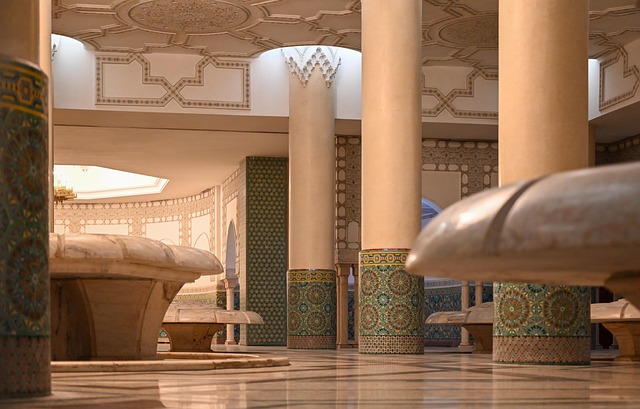
Across the Mediterranean, courtyard fountains still glitter with patterns first laid by Roman craftsmen. In Istanbul, golden tesserae catch candlelight, evoking evenings when sultans wandered palace halls. Mexico’s vibrant churches pulse with volcanic stone mosaics that echo Aztec sun calendars. Each culture uses decorative rock to voice its own cadence: sometimes solemn, sometimes playful, always intimate. Even modern graffiti artists have begun embedding broken mirror and colored stone into concrete walls, fusing street art with geological time.
The Tactile Appeal of Art
Unlike digital images, mosaics reward slow looking. Run your fingertips over a Byzantine floor and you’ll feel micro-mountain ranges where grout dips between stones. Sight, touch, and sometimes even sound—when wind blows across ceramic bits—merge into a synesthetic experience. Critics speak of the “haptic sublime,” but ordinary viewers just feel grounded. We sense, instinctively, that every polished cube was once part of a mountain, riverbed or shoreline.
Today’s Studios and Tomorrow’s Walls
Contemporary artists experiment with recycled glass, porcelain shards, and found objects, yet they still return to the quiet power of the decorative rock. Workshops buzz as artisans slice slate into feather-thin slivers or tumble beach pebbles until they gleam like sugar candies. Some choose sustainably sourced stone, aware of ecological footprints. Others incorporate local rubble to memorialize demolished neighborhoods, turning loss into pattern. A mosaic, after all, is an act of assembling fragments into wholeness—an apt metaphor for communities seeking identity.
- Fine Arts: Museums curate ancient mosaics alongside contemporary installations, proving the timeless versatility of stone.
- Culture: Festivals teach children to lay pebbles in public squares, passing tactile heritage to new generations.
- Art: Architects embed mosaic facades on skyscrapers, letting geological history climb into modern skylines.
Whether underfoot in a Roman bath or cladding a twenty-first-century metro station, the decorative rock continues to rock the Mosaik, bridging epochs, styles, and human hearts one tessera at a time.