
When Pixels Echo Paintbrushes
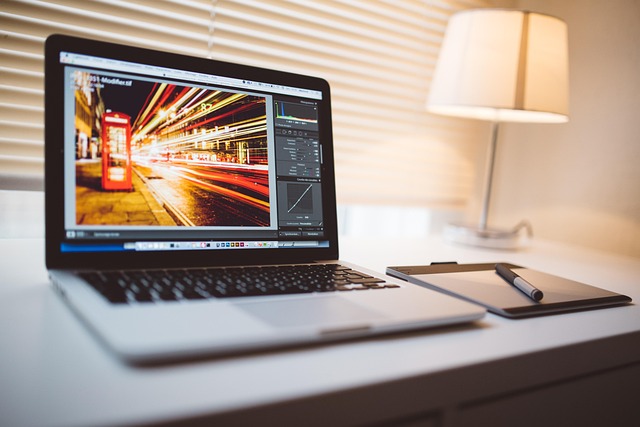
Stand in front of a centuries-old oil painting and you can almost smell the varnish, feel the layered brushstrokes, hear the faint hum of the studio where it was born. Sit in front of your monitor with photo editing software open and the sensation is uncannily similar. The screen becomes a canvas, the cursor a brush, the layers an archive of decisions that capture mood, memory, and meaning. In the realm of Photography, we borrow techniques from Fine Arts not just for aesthetics but to dive deeper into the story culture wants to tell.
Fine Arts Techniques Reimagined
Glazing—once the slow, translucent buildup of oil pigments—translates to adjustment layers that nudge color toward subtle warmth. Impasto—Van Gogh’s thick swirl of paint—emerges as textured overlays and dodge-and-burn strokes that sculpt light. Classical chiaroscuro becomes a carefully engineered luminosity mask. With every digital stroke, we honor the patience of past artisans while exploiting the immediacy of modern tools.
Culture Carved Into Color Palettes
Culture lives in the hues we inherit. A festival in Jaipur bleeds pinks and saffrons; a Nordic winter whispers desaturated blues. Through thoughtful photo editing, these palettes become cultural signatures. By sampling the marigold powder thrown during Holi or the muted jade of a Korean celadon vase, editors create a chromatic shorthand that viewers recognize at an emotional level. Suddenly, a distant tradition feels familiar, even intimate.
Art as Dialogue, Not Monologue
Traditional art often speaks from its frame, but digital imagery invites reply. Toggle a before-and-after preview and you’re in conversation with the photograph. Does the vignette bring focus, or does it silence peripheral voices of context? Does toning down saturation erase the flamboyance of a cultural ritual? Each decision is a question posed to the subject, answered in real time by sliders and masks.
Ethics Inside the Layers Panel
When cultural representation hinges on digital choices, responsibility follows every click. Borrowing a textile pattern for a background blur? Credit its origin. Transforming a documentary portrait into a stylized illustration? Seek permission. The ethics informing contemporary photo editing mirror debates in museums about provenance and appropriation. The screen may be backlit, but the shadows of history remain.
Creative Exercises to Merge Worlds
- Palette Pilgrimage: Photograph local murals, fabrics, or street food; sample their colors into a custom swatch panel, then apply it across a portrait series.
- Digital Diptych: Pair a modern cityscape with a classical painting reproduction—align lines, mimic brush textures, let eras overlap.
- Cultural Texture Library: Build a repository of surfaces—aged parchment, woven silk, cracked ceramic—to layer subtly over images, embedding tactile cultural cues.
Invitation to Experiment
Next time you open Lightroom or Photoshop, imagine stepping into a grand atelier where Caravaggio, Frida Kahlo, and Gordon Parks trade secrets. The brush is your stylus, the easel your timeline, and the gessoed canvas a nest of pixels waiting to resonate with the rhythms of culture. Every mask you paint, every curve you adjust, whispers potential for art that transcends medium, era, and border. The intersection of fine arts and culture lies not in galleries alone; it pulses inside the quiet glow of your workspace, ready for the next act of creative editing.