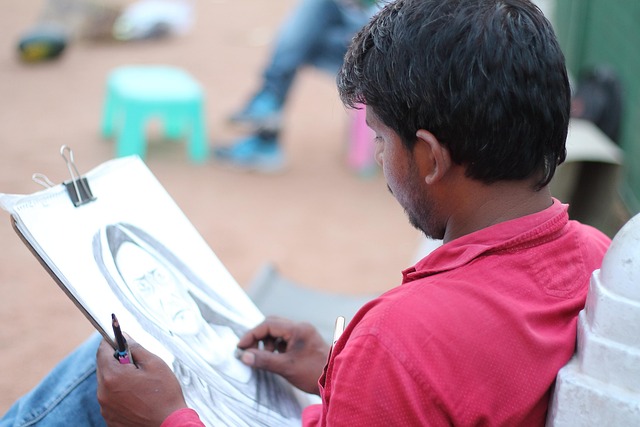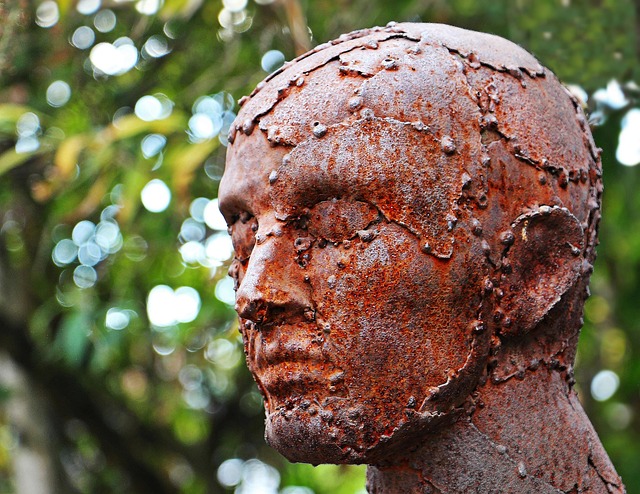


When it comes to the world of Fine Arts, there is a particular skill that holds a mysterious quality, almost as if it delves into the unknown depths of human emotions. This skill is the art of darkening, a technique that adds depth, drama, and ambiance to drawings.
In the world of drawing, darkening is not merely about making something darker. It is about evoking a feeling, a mood, a sensation that resonates with the viewer on a subconscious level. Darkening can create contrast, emphasize certain elements, and guide the viewer’s eye through the artwork.
Many artists throughout history have mastered the art of darkening to convey powerful emotions and narratives in their work. From the chiaroscuro technique used by the Renaissance masters to the haunting shadows in the works of the Romantics, darkening has been a fundamental aspect of artistic expression.
Darkening in drawings is not just a technical skill; it is a cultural phenomenon that reflects the complexities of human experiences. In different cultures, darkness can symbolize fear, mystery, tranquility, or even enlightenment. The way an artist uses darkening in their drawings can reveal their own cultural background and influences.
Delving into the shadows of a drawing is like exploring the depths of one’s own soul. It is a journey that confronts both the light and the dark aspects of human nature, inviting the viewer to embrace the complexity and beauty of existence.
As we immerse ourselves in the world of darkening in drawings, we become witnesses to the intricate dance between light and shadow, between clarity and obscurity. It is a dance that transcends time and space, connecting us to the artists of the past and the visions of the future.
Through the art of darkening, drawings become more than mere representations on paper; they become windows to the human experience, reflections of our deepest fears, desires, and aspirations. It is a testament to the power of art to transcend language and culture, touching the hearts and minds of people across the globe.