
Where Pigment Meets Chisel
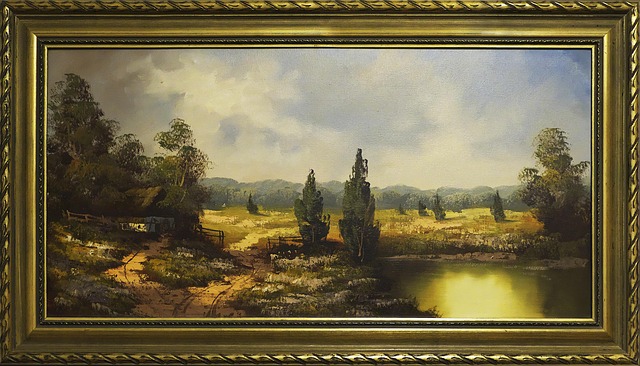
When painters talk about gesture, we usually mean the swift glide of the wrist that lets a brush unload pigment onto canvas. Yet, in many studios, the same hands that grind vermilion also keep a set of wood-shaping gouges within arm’s reach. Carving, though technically a sculptural practice, carries an unexpected kinship with painting. Both are conversations between surface and depth, between what we reveal and what we choose to leave untouched. When I carve a sheet of basswood after spending hours glazing an oil panel, I feel the two disciplines braid together; the residue of paint clings under my thumbnails while fragrant curls of wood collect like discarded brushstrokes at my feet.
The Fine Arts Continuum
In the academy we are asked to categorize: painting in one department, carving in another, printmaking down the hall. But fine arts resist neat file folders. Historically, ateliers that trained Titian or Velázquez also expected apprentices to prepare frames, carve ornamentation, even design architectural elements. A renaissance altarpiece was never simply “a painting.” It was a multi-layered object in which color, gold leaf, and oak tracery coexisted as inseparable voices. To study carving from a painting perspective is therefore to claim a birthright, to remember that pigment and plane once shared the same breath.
Culture Woven in Grain
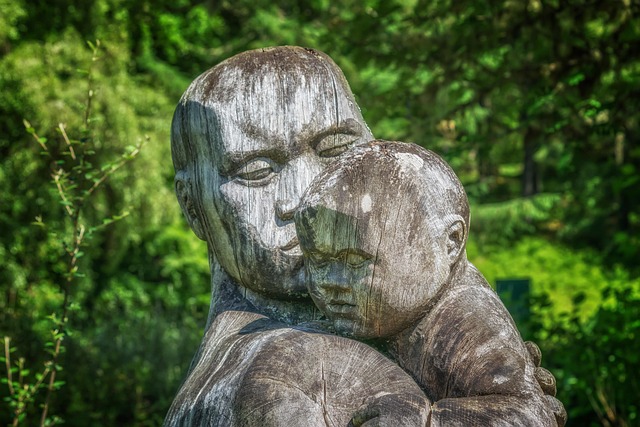
Carving is a tactile chronicle of culture. Japanese netsuke miniatures compress entire mythologies into ivory half-inches wide; the Yoruba shango staff transmits cosmology through cedar whorls; medieval European choir stalls hide risqué folktales behind solemn saints. In each example, the cut line is equivalent to a painter’s color choice, a deliberate act that codes cultural memory into matter. When I dip a brush loaded with ultramarine, I seek tone; when I tilt a V-tool into walnut, I search for narrative resonance—the same hunger, different dialect. The painter’s “value scale” becomes, in carving, a spectrum of shadow thickness: shallow gouges read as pastel, deep kerfs as saturated pigment.
Listening to Material Silence
Paint teaches us to project—luminous color expanding beyond its edges. Carving teaches us to listen. There is a decisive hush in the studio when steel meets lignin. Each tap of the mallet announces a microda capo of tradition, from Māori whakairo to Scandinavian ale bowls. The cultural specificity embedded in a carved motif reminds a painter of iconographic choices—the halo versus the headdress, the bamboo versus the laurel. In this silent discourse, I am less an author than an interpreter, asking cherry wood what shapes it already contains.
Brushstroke as Relief, Relief as Brushstroke
I often prime a carved panel and glaze over its ridges, letting prussian blue pool into fissures. The resulting surface blurs categorical boundaries: is the viewer looking at paint or at the shadowed relief? The raised ridges behave like impasto; the hue clings to peaks the way light clings to a marble torso. In reverse, I sometimes carve directly on a failed canvas, slicing through dry layers so that color emerges from beneath like geological strata. The act feels rebellious yet strangely respectful—a painter’s palimpsest that pays homage to the underlying wood loom frame.
Embodying Cultural Emotion
Carving offers a tempo that contemporary painting studios often lack. The slow, subtractive rhythm mirrors cultural rituals of patience: the deliberate breathing of a Zen temple caretaker sweeping stones, the steady hand of a calligrapher grinding ink. As an artist rooted in paint, I borrow this tempo to remind myself that fine arts are not measured solely by the flash of opening-night varnish. Culture pulses through the slower heartbeat of cedar aroma lingering long after the gallery lights cut out.
Invitations to the Reader
If you love paint, pick up a block of soapstone or linoleum. Feel how carving awakens your sense of volume, how the negative space you once conceived with turpentine washes now occupies literal depth. Notice how culture speaks differently—and yet with the same accent—through chrome oxide green and through the polished edge of a gouge. In the end, art is our most intimate conversation with time; whether we layer color or shave matter, we are carving our place in the collective gallery of human expression.