
Echoes of Geological Time in the Graphic Studio
Run your fingertips across the surface of a finished stone print and you can almost feel the stratified hush of geological ages. The texture hints at caverns, ancient riverbeds, and pressure deeper than any etching needle could reach. In the category of Graphics, where digital tablets often eclipse tactile processes, the revival of lithographic stone invites us back into an arena where Fine Arts, Culture, and timeless craft merge in one resonant image.
The Alchemy of Limestone and Grease
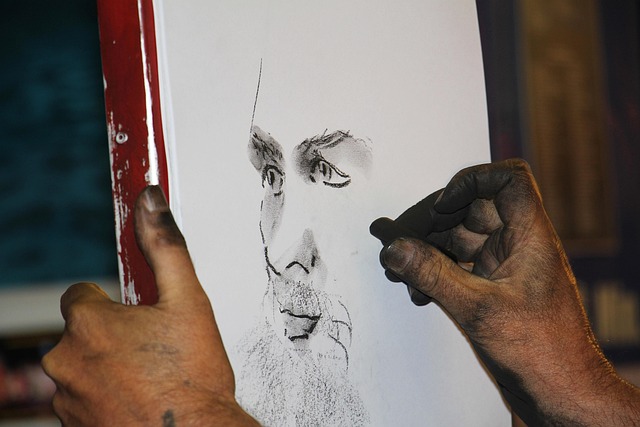
Unlike screen printing or modern giclée, lithography depends on the naturally occurring opposition between water and oil. A chunk of Bavarian limestone—still flecked with fossils—is ground until velvety. Greasy crayons sketch the image; acid etches; gum arabic seals. Each step is a whisper from the 18th-century workshops of Alois Senefelder, who discovered this process when theatre budgets forced him to invent an affordable way to publish sheet music. The humble beginnings of the stone print thus carry a cultural narrative about art democratizing knowledge and performance.
Cultural Resonance in Every Layer
Graphic Art has always functioned as a mirror. In 19th-century Paris, lithographs fueled political caricature; in Edo-period Japan, ukiyo-e woodcuts shaped fashion and social commentary. The stone print continues that lineage. Contemporary artists layer indigenous motifs, street-art glyphs, or diasporic calligraphy onto limestone, turning each edition into a cultural palimpsest. When you hang such a piece, you are not merely decorating a wall but curating a dialogue between past geological epochs and present human stories.
The Sensory Weight of Fine Arts in a Digital Age
Why does a stone slab matter in 2024, when software can replicate any texture? Because the heft of limestone grounds the artist’s gesture. The push of a crayon resists; the press creaks; the ink’s perfume lingers. A finished stone print retains that embodied memory. Collectors often describe a quiet pulse emanating from the surface—an almost tactile reminder that this image was coaxed out of a mineral older than civilization.
Workshops as Cultural Crossroads
Step into any collaborative print studio and you witness a microcosm of global culture. A muralist from Mexico City trades color-mixing tips with an illustrator from Nairobi; a ceramicist tests how glaze shards can be crushed into experimental litho grains. Over communal coffee, conversations leap from Yoruba textile symbols to Bauhaus grids. The stone print becomes the meeting ground where Fine Arts practices and diverse cultural memories inform one another, creating graphic works that speak multiple visual dialects at once.
Collecting Stories, Not Just Prints
Owning a stone print is akin to adopting a fragment of continental drift: every vein in the limestone, every spirited line, every accidental spit-bite marks a chapter in both human and geological history. Display it above a minimalist sofa or in a bustling café, and you invite viewers to slow down, trace the marks, and listen for echoes—of chisels clashing in ancient quarries, of presses thumping in bygone ateliers, of present-day artists breathing fresh cultural meanings into venerable stone.