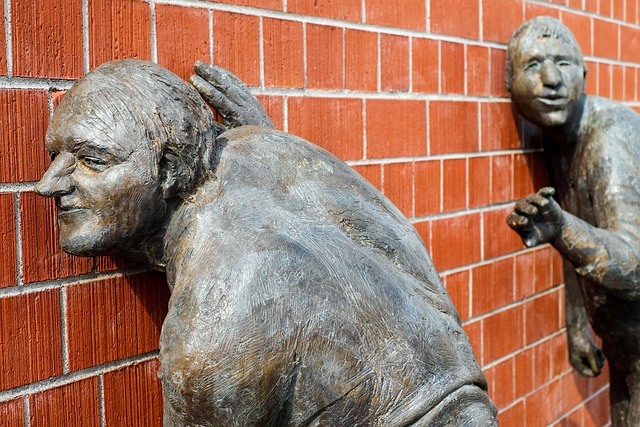

Sculpture has long been a powerful medium for artists to express their emotions, ideas, and beliefs. Among the various forms of sculpture, modern sculpture stands out for its innovative approach, pushing boundaries and redefining the very essence of three-dimensional art. In this post, we will delve into the captivating intersection of fine arts and culture through the evolution of modern sculpture, examining how this unique art form has both reflected and influenced the world around us.
Fine arts have always been a mirror reflecting the cultural landscape of a society. Modern sculpture, with its diverse styles and techniques, has provided artists with a dynamic platform to explore and challenge the prevailing norms of their time. From the abstract forms of artists like Henry Moore to the avant-garde designs of Louise Bourgeois, modern sculpture has continually pushed the boundaries of traditional art, inviting viewers to question, ponder, and interpret the world in new ways.
The cultural significance of modern sculpture cannot be overstated. As society undergoes rapid transformations, artists have turned to sculpture to capture the zeitgeist of the era, addressing pressing issues such as identity, environment, and technology. Whether through monumental public installations or intimate gallery pieces, modern sculptors have the power to evoke emotions, provoke thoughts, and spark conversations that resonate across cultures and generations.
Through the intertwining of fine arts and culture, modern sculpture has become a powerful tool for social commentary and artistic expression. By experimenting with materials, forms, and concepts, sculptors have redefined the boundaries of what is possible in the realm of art, continually pushing the envelope and challenging viewers to see the world from a new perspective. As we continue to navigate the complexities of a rapidly changing world, the evolution of modern sculpture serves as a beacon, guiding us through the intersection of art, culture, and creativity.