
In the heart of the city, where the cobblestone streets echo with the footsteps of centuries, a quiet landmark stands as a testament to the enduring power of the human form and the stories carved into stone, bronze, and clay. The Sculpture Gallery Celebrating Fine Arts Cultural Heritage is more than a space to view art; it is a living archive that invites visitors to explore the intersection of artistic innovation and cultural memory.
Origins and Vision
The idea for the gallery sprouted from a modest community initiative in the early 1990s, when local historians and art lovers convened to discuss the fate of scattered sculptures that once adorned public squares, private estates, and religious sites. They recognized that without a dedicated venue, these works would fade into obscurity or be relegated to storage facilities where dust would accumulate and stories would be forgotten.
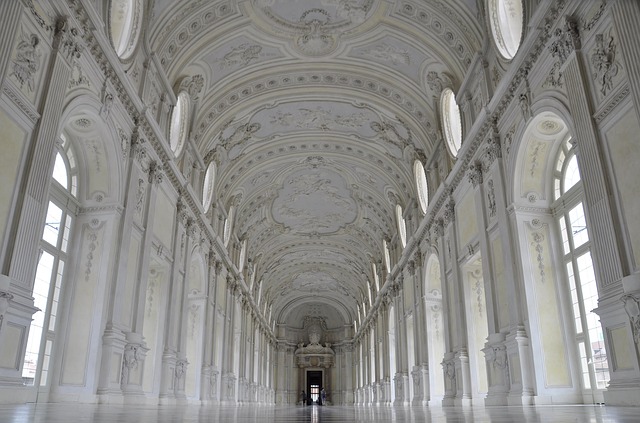
By 1998, the gallery was officially established on a repurposed warehouse that had once been a shipping hub. The architectural choice—exposed brick, soaring rafters, and expansive skylights—was intentional, echoing the openness of a traditional exhibition space while retaining the industrial grit that reflects the raw materials many sculptors begin with.
Curatorial Philosophy
The gallery’s curators adhere to a guiding principle: to honor the creative process while situating each piece within its cultural and historical milieu. This approach demands that each sculpture be accompanied by context—biographical sketches of the artist, insights into the material selection, and explanations of the socio-political backdrop that inspired the work.
“A sculpture is not merely a static object; it is a dialogue between the artist’s intent and the viewer’s interpretation,” remarks the lead curator. “Our gallery is the platform where that dialogue can unfold across generations.”
Architectural Narrative
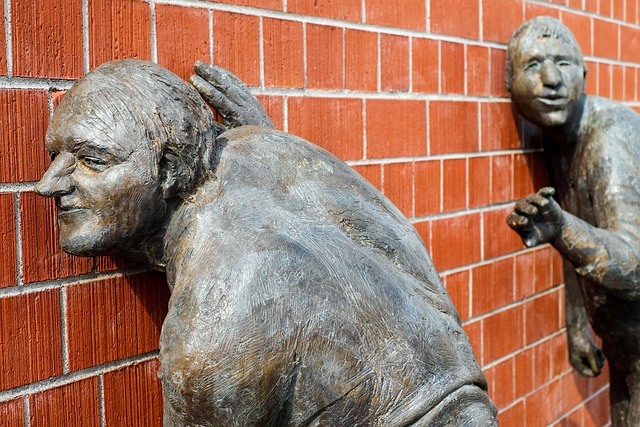
Visitors are welcomed into the gallery by a vestibule that functions as a transitional space. On the walls, subtle installations of bronze silhouettes—representing the silhouettes of notable sculptors throughout history—guide the flow toward the main exhibition hall. The hall itself is divided into three zones, each dedicated to a different era: Classical Antiquity, Renaissance Revival, and Modern Avant‑Garde.
In the Classical Antiquity zone, marble and limestone pieces from the 18th and 19th centuries resonate with the ideals of proportion and harmony that dominated Greco‑Roman aesthetics. The Renaissance Revival area showcases bronze casts that echo the humanistic spirit of the 15th and 16th centuries, while the Modern Avant‑Garde space houses welded steel and mixed media sculptures that challenge conventional boundaries.
Key Exhibitions
The gallery has hosted a series of landmark exhibitions, each reflecting a distinct facet of cultural heritage.
- “From Marble to Mechanism: The Evolution of Form” (2003–2004) – This show traced the transition from hand‑carved stone to machine‑fabricated metal, featuring works by early industrialists and contemporary mechanists.
- “Sculpting Identity: Indigenous Expressions” (2010) – A focused look at stone and wood carvings from Indigenous communities around the globe, underscoring the gallery’s commitment to inclusive narratives.
- “Echoes of Empire” (2015) – A retrospective of colonial-era sculptures, providing critical commentary on power dynamics and artistic appropriation.
- “Future Forms” (2020) – An avant‑garde showcase of kinetic sculptures, digital reliefs, and bio‑art installations, pushing the boundaries of what a sculpture can be.
Artist Profiles
Beyond individual pieces, the gallery celebrates the stories of sculptors whose work has shaped cultural heritage.
- Maria Valdez – A Mexican artist known for her bronze series that reflects the resilience of rural communities. Her work in the gallery’s contemporary wing invites viewers to consider the socio-economic forces that sculpt identity.
- Kwame Osei‑Tutu – A Ghanaian sculptor whose stone reliefs capture the mythic histories of the Ashanti people. His exhibitions emphasize the symbiotic relationship between art and oral tradition.
- Elena Rossi – An Italian marble sculptor whose revival of classical techniques has rekindled interest in Renaissance aesthetics. Her installation in the gallery’s marble zone is a study in light, shadow, and proportion.
Conservation and Restoration
Preservation is central to the gallery’s mission. A dedicated conservation lab, staffed by specialists in materials science, allows for non-invasive analysis of each sculpture’s composition. Through techniques such as X‑ray fluorescence and 3D laser scanning, conservators can identify micro‑cracks, metal corrosion, and environmental stressors.
Restoration projects are carried out with the utmost respect for the original artist’s intent. For instance, a 19th‑century marble statue that suffered from marble dust accumulation underwent a delicate cleaning process that removed surface grime while preserving the patina that had become part of its historical narrative.
Educational Outreach
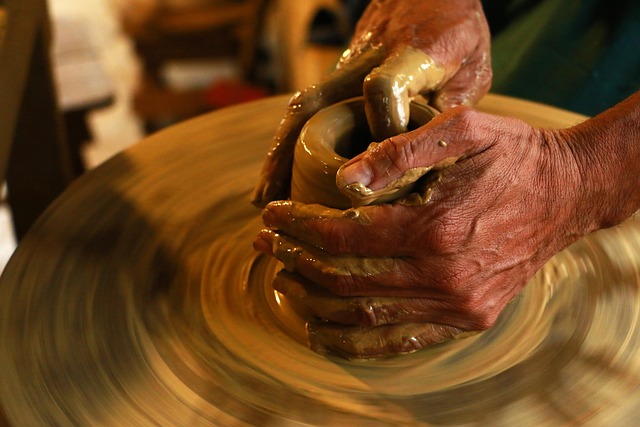
The gallery’s educational programs are designed to bridge the gap between academia and the public. Guided tours, lecture series, and hands‑on workshops provide immersive learning experiences. The sculpture workshops allow participants to experiment with clay, wire, and found objects, fostering an appreciation for the tactile nature of sculptural creation.
Collaborations with local schools have resulted in student projects that are displayed in a rotating “Youth Voices” section. This initiative encourages younger generations to interpret cultural heritage through their own artistic lenses, ensuring the gallery remains a living, evolving institution.
Visitor Experience
Upon entering the gallery, visitors are greeted by an ambient soundtrack of subtle classical melodies, which underscores the contemplative atmosphere. The layout encourages slow movement, allowing ample time to absorb the scale, texture, and emotional resonance of each sculpture.
Information panels are strategically placed to provide context without interrupting the visual flow. QR codes, discreetly integrated into the panels, link to in‑depth multimedia content for those who wish to delve deeper—though the gallery remains fully accessible to those who prefer a more traditional, paper‑based experience.
Future Directions
Looking ahead, the gallery plans to expand its digital presence through virtual reality tours, enabling global audiences to explore the sculptures from the comfort of their own homes. Additionally, a new wing is slated for construction to accommodate larger works, including monumental installations that will be installed in collaboration with international artists.
Fundamentally, the gallery remains committed to its core mission: to celebrate the fine arts as a dynamic, living testament to cultural heritage. By providing a platform where past, present, and future intersect, the gallery ensures that the sculptural legacy continues to inspire, educate, and challenge generations to come.