
Where Pigment Meets Tesserae
The moment you step in front of a luminous mosaic, you sense something different from an ordinary painting. In the shifting glimmer of thousands of tiny stones, glass shards, and ceramic fragments lies a tactile symphony that transcends the flat dimensions of canvas. Within the Mosaik tradition, painting is not abandoned; it is reimagined. Color is still the primary language, but here it speaks through the minute sparkle of tesserae, each piece acting as a single word in an epic cultural narrative.
Mosaic as Fine Arts
Fine Arts often invites us to consider light, shadow, and composition. Mosaic painting approaches these with a sculptural mindset: the artist literally builds an image. Every fragment possesses its own surface and depth, catching ambient light from a multitude of angles. When you gaze upon a Byzantine-inspired halo rendered in gold tesserae, you witness how a flat, painted glow becomes a living aura, shifting as you move. This multidimensionality elevates mosaic to a realm where painting and sculpture intermingle, proving that Fine Arts is less about categorization and more about creative symbiosis.
Culture Encased in Color
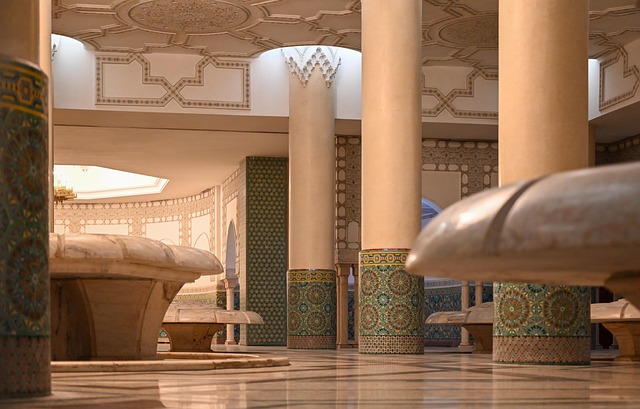
Mosaic painting is deeply entwined with cultural memory. In Mediterranean villages, sea-worn pebbles mirror the hues of surrounding cliffs; in Middle Eastern palaces, cobalt glass echoes desert nights under indigo skies. Each shard is not merely a color swatch but a cultural artifact, harvested from local terrain or trade routes. The arrangement of motifs—spirals, vines, or geometric patterns—tells stories of migration, conquest, and religious devotion. When modern artists revive ancient mosaic methods, they embrace a lineage that stretches from Roman bathhouses to Catalan Modernism, weaving their own contemporary voice into an ever-evolving tapestry.
The Painter’s Palette Transformed
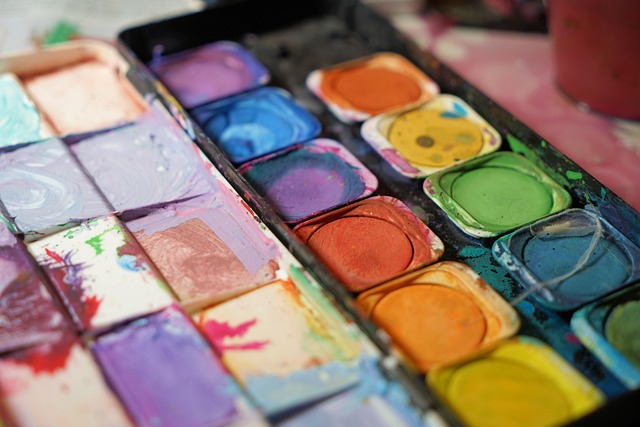
Imagine holding a painter’s palette, not with wet oils but with bowls of marble, onyx, and smalt. Instead of mixing pigments, you sift through textures: translucent Venetian glass for celestial gradients, rough slate for shadowed contours, polished mother-of-pearl for highlights that shimmer like moonlight on water. Traditional painting demands an eye for tone and hue; mosaic painting multiplies that demand by adding luster, grain, and physical weight. An ultramarine tessera and a lapis-tinged smalto may appear identical in direct light, yet diverge dramatically at dusk. The artist orchestrates these subtleties so that the work lives and breathes through changing hours.
Techniques that Bridge Past and Present
- Opus Tessellatum: Large, uniformly cut cubes create sweeping figurative scenes reminiscent of Roman floors.
- Opus Vermiculatum: Fine, hair-thin pieces curve around forms like brushstrokes, offering painterly gradients.
- Smalt Impressionism: Modern artists employ thick, translucent glass chunks, echoing Pointillist painting but with a jewelled vibrancy.
Each approach retains the core aim of painting—evoking emotion through color and form—yet expands the medium’s vocabulary through texture and material resonance.
An Intimate Dialogue with Art
Standing before a grand mosaic, you become an active participant in its performance. As daylight shifts, new flecks ignite while others recede, ensuring no two glances yield the same impression. This perpetual metamorphosis invites viewers to return, unraveling fresh narratives each time. Such dynamism embodies the universal allure of Art: an ongoing conversation between creator, medium, and observer. In the Mosaik universe, that conversation is whispered through marble’s cool hush and glass’s crystalline ting. It reminds us that painting is not confined to brush and canvas; it can just as powerfully emerge from the patient placement of countless fragments, each a testament to the intricate harmony of Fine Arts and Culture.