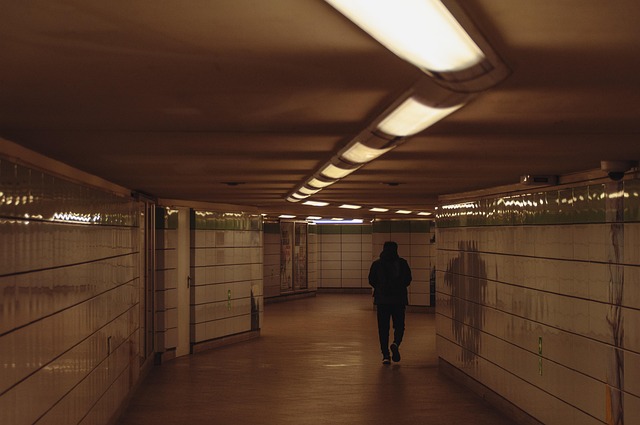


When a gallery space is transformed into a living organism, the line between viewer and artwork dissolves. In the installation titled Environmental Reflection, artist Lena Hart has created a dialogue between natural processes and human perception. The experience is not passive; it demands active engagement, asking participants to witness their own images reflected back from surfaces that change with light, temperature, and moisture. By doing so, the piece invites us to consider how we interact with the environment and how our presence alters the ecological canvas around us.
The Genesis of a Conceptual Site
Lena Hart began sketching the idea during a residency in a coastal town, where wind and tide sculpted the shoreline with relentless patience. She noticed how the sea reflected the sky in a shifting mosaic, and how the colors were altered by the angle of the sun and the composition of the waves. This observation led her to question: if the environment can reflect light and color in such a fluid manner, could a constructed space emulate that reflective quality in a way that makes observers confront their own ecological footprint?
- Integration of natural light as a core element
- Use of biodegradable materials for sustainability
- Interactive sensors that adjust visual cues in real time
Materials and Methods
The installation uses a combination of recycled glass, algae-infused bioplastics, and translucent concrete. The glass panels are etched with patterns that mimic the ripples of water, creating a visual texture that reacts to viewer movement. When a person walks between the panels, pressure sensors detect footfalls and trigger a subtle shift in the reflective surface, simulating the rippling effect of a pond disturbed by a pebble. The algae bioplastics emit a faint glow when exposed to ultraviolet light, echoing the bioluminescence found in deep ocean ecosystems.
“When light enters the medium, it doesn’t just pass through; it becomes part of a living conversation between art and environment,” Lena explains in a recent interview.
The Experience of Environmental Reflection
Visitors begin their journey at a dimly lit entrance, where the only sound is the gentle hum of ambient speakers playing recorded wind and water sounds. As they step into the main chamber, the walls open up to a series of mirrored surfaces that reflect the moving light patterns. The room is designed to be slightly cooler than the outside temperature, creating condensation on the glass that forms temporary, cloud-like textures. The combination of sound, light, and moisture invites participants to slow down, breathe, and observe how their own silhouette is refracted across the environment.
Audience Participation and Feedback Loops
One of the most striking features of the piece is its feedback loop. The installation collects data on visitor movement, adjusting the intensity of reflected light accordingly. When a group gathers in a particular area, the reflective panels respond by increasing their translucency, making the surrounding environment appear brighter. Conversely, a solitary visitor triggers a muted glow, emphasizing isolation. This dynamic interaction makes the audience an essential component of the artwork, transforming the space into a collaborative ecosystem.
- Movement sensors detect location and density of visitors
- Light intensity is modulated in real time via embedded LEDs
- Temperature changes influence condensation patterns on glass
Ecological and Cultural Contexts
Environmental reflection is not merely a metaphor; it is also a critique of modern consumption. The installation encourages viewers to think about how their actions affect the physical world. By using sustainable materials and a closed-loop system that requires minimal energy input, the artist demonstrates a practical approach to eco-conscious art-making. The piece thus bridges the gap between aesthetic experience and environmental stewardship, encouraging a cultural shift toward more responsible engagement with our surroundings.
Influences from Global Fine Arts Traditions
While the installation draws from contemporary environmental art, it also nods to traditional practices. The reflective surfaces echo the Japanese concept of shakkei, where surrounding landscapes are incorporated into a composition to create a sense of harmony and balance. Similarly, the use of water-inspired motifs recalls the ancient Egyptian temple walls, where scenes of irrigation and Nile floods were depicted to honor the life-giving river. By weaving these diverse cultural threads together, the artist creates a universal language that speaks to environmental reflection across time and geography.
Critical Reception and Impact
Critics have praised the installation for its immersive quality and thoughtful engagement with ecological themes. A review in Modern Art Quarterly noted that the piece “transforms passive observation into an active dialogue about our place within the natural world.” The artwork has sparked conversations in both academic circles and community forums, with many citing it as a catalyst for environmental education programs in local schools.
Educational Outreach and Future Developments
To extend its reach beyond the gallery, Lena Hart has collaborated with several universities to develop a digital companion app. The app allows remote users to experience a simplified version of the environmental reflection concept through interactive simulations, fostering broader accessibility. Future plans include integrating renewable energy sources, such as solar panels, to power the installation entirely from clean energy, further reinforcing its ecological message.
Conclusion: The Reflective Mirror of Humanity
In the end, Environmental Reflection invites us to see the world not as a static backdrop but as a living, breathing entity that mirrors our actions. The installation encourages a contemplative pause, prompting us to question how we affect the environment and how, in turn, the environment affects us. By intertwining fine arts with ecological consciousness, the piece serves as a testament to the power of culture to inspire environmental reflection on both personal and collective levels.