
When it comes to the world of painting, there is a movement that stands out for its unique beauty and revolutionary impact – Impressionism. This artistic style emerged in the 19th century, changing the course of art history forever. By diving into the world of Impressionism, we can gain a deeper understanding of not only fine arts but also the culture and society of that time.
Impressionism was a radical artistic movement that focused on capturing the fleeting moments of everyday life. Instead of painting with precise details, Impressionist artists used short brushstrokes and vibrant colors to convey the essence of a scene. This technique gave their paintings a sense of movement and immediacy, making the viewer feel like they are a part of the moment.
One of the key characteristics of Impressionism is its emphasis on light and its changing qualities. Artists like Claude Monet, Edgar Degas, and Camille Pissarro were captivated by the way light danced across landscapes, city streets, and figures. By depicting these light effects, they were able to create paintings that seemed to shimmer and come to life.
The cultural impact of Impressionism cannot be overstated. At a time when academic art reigned supreme, Impressionist artists dared to break free from tradition and paint what they saw, rather than what was expected of them. This bold approach challenged the conventional notions of art and paved the way for future artistic movements.
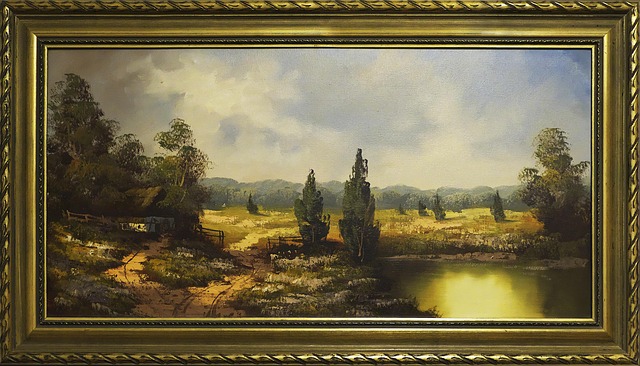
Through Impressionism, we can glimpse into the daily life and social milieu of 19th-century Europe. The paintings of bustling Parisian streets, tranquil countryside scenes, and lively dance halls reveal a society in transition – a society on the cusp of modernity. These artworks not only capture a moment in time but also serve as historical documents, offering a window into the past.
In conclusion, Impressionism is more than just a style of painting. It is a reflection of a changing world, a celebration of light and color, and a testament to the power of art to shape culture. By exploring Impressionism, we can gain a newfound appreciation for the beauty that surrounds us and the artists who dared to capture it on canvas.