
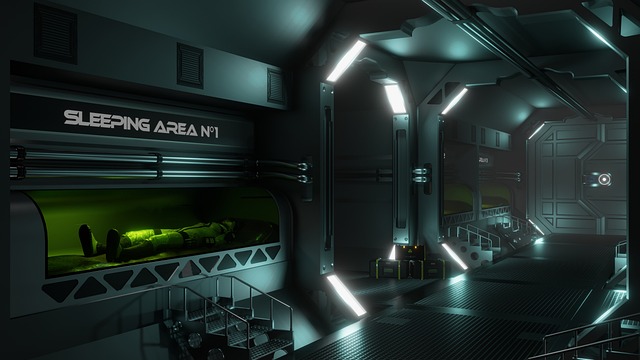

Contemporary fine art has long been a field of experimentation, where the boundaries between medium, space, and viewer are constantly being redrawn. At the heart of this evolution lies the concept of spatial effect—the deliberate manipulation of physical and perceptual space to generate emotional resonance, intellectual dialogue, and aesthetic experience. Unlike traditional gallery displays, which often isolate objects within frames, modern installations invite viewers to move, breathe, and sometimes even become part of the artwork itself.
The Genesis of Spatially Engaged Art
Spatial thinking is not a new phenomenon in art history. From the frescoes of the Renaissance that used perspective to create illusionary depth to the monumental architecture of the 19th century, artists have always been fascinated by how space can shape perception. However, the contemporary era has taken this fascination into new territories, blending technology, architecture, and interactivity. The result is a rich tapestry where spatial effect is as vital as color or composition.
Early Experiments: The Bauhaus and Beyond
The Bauhaus movement pioneered the idea that art should be integrated with the surrounding environment. Designers like László Moholy-Nagy explored light, movement, and form in three-dimensional contexts. Though the term spatial effect was not coined then, the principles of spatial interaction were unmistakable.
“Art should serve life, and life should be an art. Space, then, is the canvas upon which we paint our existence.” – Anonymous
Contemporary Installations: A New Language of Space
Today’s installations blur the lines between art, performance, and environment. Artists use materials ranging from recycled plastics to living plants, while digital technologies introduce dynamic elements that react to audience presence. This convergence amplifies the spatial effect, turning passive viewing into an active, embodied experience.
Materiality and the Physical Environment
Physical materials define how space is perceived. A thick wall of mirrored panels can expand a room into infinity, while a low, translucent canopy invites viewers to crawl beneath it, creating intimacy. The choice of texture, weight, and scale influences how we move through the space and how the installation feels to us.
Digital Interfaces and Responsive Design
With the advent of projection mapping and sensor technology, installations can now respond to the presence, movement, or even the emotional state of the audience. A wall that changes color when a visitor steps closer not only alters the visual field but also establishes a dialogue between observer and artwork.
The Role of the Viewer in Spatial Narratives
In traditional art, the viewer stands at a distance, observing. In spatially oriented installations, the viewer becomes a participant who shapes the narrative. This interaction is at the core of the spatial effect, where the physical presence of the audience alters the meaning and experience of the work.
Embodied Engagement
When an installation requires movement—whether it’s walking through a maze of hanging vines or stepping onto a platform that tilts with each footfall—the viewer’s body becomes part of the artwork. This embodied engagement intensifies the emotional impact and creates a memorable, personal connection.
Perceptual Shifts
Spatial installations often play with light, shadow, and scale to create perceptual anomalies. A simple change in lighting can turn a neutral space into a dreamlike realm, while shifting perspectives can challenge the viewer’s sense of reality. These perceptual shifts are intentional, engineered through the careful arrangement of elements that manipulate spatial effect.
Case Studies: Diverse Approaches to Spatial Effect
Below are illustrative examples that showcase different strategies in employing spatial effect within contemporary art installations.
Case Study 1: Immersive Soundscapes
An installation featuring a series of acoustic chambers arranged in a circle invites visitors to move around and experience changing sonic environments. The spatial layout determines which sound frequencies are amplified or dampened, creating a multi-sensory journey that is both auditory and visual.
Case Study 2: Light as Architecture
By strategically placing light sources along the perimeter of a dark room, an artist can guide movement and focus attention. The interplay of hard and soft light forms shadows that act as transient structures, altering the perception of space in real time.
Case Study 3: Interactive Projection Mapping
Using projection mapping, a surface such as a wall or floor can transform into a dynamic canvas that reacts to touch or motion. As visitors interact, the projected imagery morphs, creating a fluid spatial experience that feels alive and responsive.
Implications for Cultural Discourse
The way contemporary art harnesses spatial effect reflects broader cultural trends. As urban spaces become more complex and technologically saturated, art that engages with space offers a counterpoint—a way to slow down, reflect, and re-encounter the built environment.
Urban Renewal and Public Art
Public installations that incorporate spatial dynamics can transform underutilized urban areas. By inviting people to wander, sit, or play within the space, such projects foster community engagement and redefine the social utility of city spaces.
Psychological Well-Being
Research suggests that spatially interactive art can reduce stress and improve mood. When viewers navigate a calming, well-designed environment, they experience a sense of control and presence that can counteract the anxiety often associated with modern life.
Future Directions in Spatially Engaged Art
Looking ahead, several emerging technologies promise to deepen the potential of spatial effect in art installations.
Virtual and Augmented Reality
By blending physical installations with digital overlays, VR and AR can extend the spatial dimensions beyond what is physically possible, creating hybrid experiences where the boundary between the real and the virtual is porous.
Artificial Intelligence and Adaptive Environments
AI can enable installations to learn from visitor behavior, adapting lighting, sound, or structural elements in real time to enhance engagement and emotional resonance.
Eco-Conscious Design
With growing awareness of environmental impact, future installations may prioritize sustainable materials and energy-efficient technologies, ensuring that spatial exploration aligns with ecological responsibility.
Conclusion: The Ever‑Evolving Landscape of Spatial Effect
Spatial effect remains a dynamic and transformative force in contemporary fine art. It invites viewers to become active participants, challenges perceptions of reality, and invites cultural dialogue. As technology continues to evolve, so too will the ways artists manipulate space, promising new, immersive, and thought‑provoking experiences that redefine how we see, feel, and inhabit the world around us.