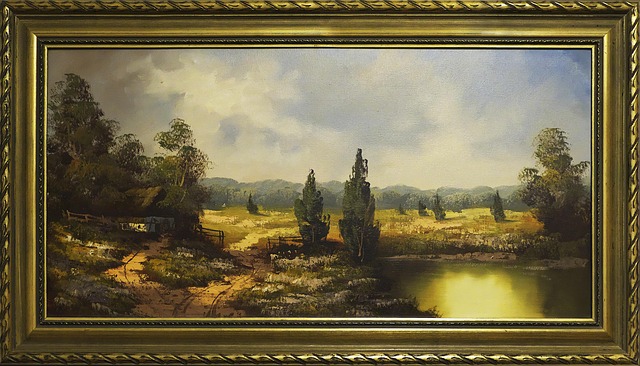


In the quiet corners of a studio, the breath of a master’s brush, the subtle play of light on a canvas, and the slow, deliberate aging of a pigment all tell a story that is as fragile as it is enduring. For those who create and preserve these narratives, the building that houses the work is more than a backdrop; it is a guardian. Construction protection for fine art studios is a specialized discipline that marries architectural design, environmental science, and artistic sensibility to safeguard cultural heritage in the most tangible way possible.
Why Construction Protection Is Essential for Fine Art Spaces
Fine art is inherently sensitive to its surroundings. Even a brief exposure to the wrong temperature, humidity, or vibration can cause irreversible damage. Construction protection, therefore, is not a luxury—it is a prerequisite for the longevity of artworks, the safety of artists, and the preservation of cultural memory.
- Environmental stability prevents the flaking of varnishes and the cracking of canvas.
- Structural integrity ensures that large installations remain secure.
- Safety systems guard against fire, water, and accidental harm.
- Security protocols protect against theft and vandalism.
Environmental Threats in the Studio
The most insidious threats to art are invisible. Temperature swings as small as five degrees Fahrenheit can stress paint layers. Relative humidity variations beyond 30–60% lead to mold growth and paper warping. Dust, airborne pollutants, and vibration from neighboring traffic or heavy machinery all erode the integrity of a finished piece.
“A stable environment is the quietest ally of an artist,” remarks Dr. Elena Ruiz, a conservation scientist specializing in museum climate control.
Architectural Foundations of a Protective Studio
Good construction protection begins at the foundation. Architects and builders must collaborate to create a structure that meets the specific demands of art spaces. Key elements include:
- Structural Load Capacity – Large installations, kinetic sculptures, and multi-tiered galleries require reinforced flooring and ceiling systems.
- Thermal Mass and Insulation – High-performance walls and roofs minimize heat exchange with the exterior.
- Ventilation Architecture – Proper airflow prevents stagnation and supports HVAC systems.
- Soundproofing – Acoustic panels and double-glazed windows dampen external noise that can translate into vibration.
Materials That Protect
The choice of building materials can make or break the protective envelope of a studio. Considerations include:
- Concrete with Vapor Barriers – Keeps moisture from migrating into interior spaces.
- Glass Curtain Walls – Provide natural light while shielding from temperature fluctuations.
- Fiber Cement Cladding – Offers durability against weather extremes.
- Low-VOC Finishes – Reduces the risk of chemical off-gassing that can degrade sensitive materials.
HVAC and Humidity Control
Heating, ventilation, and air conditioning systems are the backbone of environmental stewardship. For fine art studios, the following strategies are essential:
- Precise temperature regulation between 65–75°F (18–24°C).
- Relative humidity maintenance within a 45–55% band.
- Air filtration using HEPA and activated carbon filters to trap dust and volatile organic compounds.
- Redundant backup units to ensure continuous operation during power outages.
Construction protection also requires that ducts, piping, and vents be sealed against leaks and designed to prevent drafts that could create microclimates within the studio.
Fire Safety Measures
Art studios contain highly flammable media—solvents, oils, and paper—making fire suppression paramount. Effective construction protection includes:
- Installation of automatic sprinkler systems tailored to the studio’s layout.
- Use of fire-rated walls and ceilings to compartmentalize potential outbreaks.
- Provision of fire-resistant storage for flammable materials.
- Strategic placement of fire extinguishers and clear evacuation routes.
Vibration and Noise Mitigation
Mechanical vibrations can subtly alter the surface texture of a painting or dislodge components of a sculpture. Building solutions include:
- Floating floors that isolate the studio from ground vibrations.
- Mass-loaded vinyl barriers to dampen acoustic energy.
- Isolation mounts for heavy equipment such as generators or HVAC units.
- Strategic positioning of the studio away from high-traffic corridors or industrial zones.
Security Systems
Construction protection extends to safeguarding art from theft or vandalism. Key components are:
- High-resolution surveillance cameras with night-vision capabilities.
- Access control systems that monitor entry and exit points.
- Alarm systems connected to local law enforcement.
- Secure, lockable storage for valuable works.
Maintenance and Inspection Protocols
Even the most robust construction protection requires ongoing vigilance. Regular tasks include:
- Monthly HVAC filter changes and quarterly system inspections.
- Weekly checks of fire suppression equipment and fire doors.
- Seasonal evaluation of structural components for cracks or wear.
- Documentation of environmental data to track trends and identify anomalies.
By embedding construction protection into routine operations, studios can preempt failures before they become costly damages.
Legal and Insurance Considerations
Building codes, zoning regulations, and insurance policies impose additional layers of responsibility. Architects and studio owners should:
- Ensure compliance with local building and fire codes.
- Maintain accurate records of construction protection systems.
- Work with insurers to verify coverage for both environmental and security risks.
- Update policies annually to reflect changes in artwork inventories and studio modifications.
Case Studies: Real-World Applications
In 2018, the Gallery of Contemporary Media in Austin underwent a comprehensive retrofit that incorporated all facets of construction protection. The result was a 40% reduction in humidity spikes and a measurable improvement in the condition of sensitive acrylic installations.
Similarly, the historic M. A. H. Studio in New Orleans replaced its aging concrete foundation with a fiber-reinforced system, effectively eliminating micro-vibrations that had been causing paint flaking in oil canvases.
Future Trends in Construction Protection
Emerging technologies promise to elevate studio safeguarding to new heights:
- IoT-enabled sensors that provide real-time climate monitoring.
- Smart glass that adjusts tinting based on external light conditions.
- 3D-printed structural components tailored for specific load and vibration profiles.
- AI-driven predictive maintenance that schedules interventions before faults occur.
Conclusion: A Commitment to Cultural Preservation
Construction protection for fine art studios is a holistic endeavor. It blends meticulous architectural design, rigorous environmental control, and proactive security measures to create a sanctuary where art can thrive. By investing in comprehensive protection, artists, collectors, and institutions affirm their responsibility to safeguard cultural treasures for future generations.