

In contemporary visual culture, the allure of pastel as a medium transcends its historical roots in classical portraiture and landscape. Pastels, with their creamy, powdery cores, offer an immediacy that resonates with today’s fast-paced creative processes. Artists across the globe have reclaimed pastel for its tactile richness and the way it interacts with light on paper. The medium’s versatility—from soft, diffuse washes to sharp, bold strokes—makes it an ideal bridge between traditional drawing techniques and the demands of modern art practices. By reexamining pastel’s potential, we uncover new avenues for expression that honor both its past and its evolving role in fine arts and cultural dialogue.
The Sensory Foundations of Pastel
At its core, pastel is a composition of pigment, binder, and filler, producing a substance that behaves like both crayon and charcoal. When applied, it releases a subtle fragrance and a slight resistance that signals the artist’s intent. The medium thrives on the delicate balance between lightness and opacity, enabling subtle gradations that mirror natural phenomena such as dawn or mist. This sensory responsiveness invites artists to engage more deeply with the physical act of drawing, turning each stroke into a gesture that reflects both intention and emotion.
- Texture: The granular surface of pastel invites layering and blending, producing depth that can be as thick as a glaze or as fine as a feathered edge.
- Colour Intensity: The direct contact with paper preserves the vibrancy of pigments, offering hues that shift subtly when viewed from different angles.
- Light Interaction: Pastels reflect ambient light differently than oils or acrylics, creating a luminosity that feels alive and immediate.
Pastel in the Modern Studio
Today’s studios, whether loft spaces or digital studios, often incorporate pastel as a complementary medium. Its low environmental impact—minimal fumes and clean working conditions—makes it attractive to eco-conscious creators. Moreover, the portability of pastel sets aligns with the on-the-go lifestyle of many contemporary artists, allowing them to capture fleeting moments wherever inspiration strikes.
“Pastel gives me a way to translate the world as I see it, without the mediation of color theory or technical constraints,” remarks an emerging painter who frequently works in mixed media environments.
Technique and Innovation
While traditional pastel methods rely on layering and glazing, contemporary artists experiment with unconventional tools—everything from household brushes to digital tablets that simulate pastel texture. Hybrid works that combine pastel with ink, watercolor, or even printmaking elements illustrate the medium’s adaptability. The interplay between pastel’s soft edges and other materials’ sharpness generates dynamic visual tension, inviting viewers to reassess familiar forms.
Layering Strategies for Depth
Achieving depth in pastel requires a nuanced understanding of translucency. Below is a step-by-step approach that many practitioners find effective:
- Base Layer: Begin with a light, even wash of color to establish the overall tone. Use gentle strokes to avoid damaging the paper’s surface.
- Mid-tone Accents: Build mid-range values with slightly darker hues, blending carefully to maintain a smooth gradient.
- Highlight Layer: Apply the brightest colors or white to create reflective highlights, using minimal pressure to keep edges soft.
- Final Touches: Refine edges and contrast with a small brush or a gentle tap of a pastel stick to sharpen details where needed.
Consistency in paper quality and choice of pastel brand also influences the final result; archival paper with high pH balances longevity with the medium’s natural fragility.
Cultural Resonance and Pastel’s Narrative Power
Pastel has long been a vehicle for documenting cultural narratives, capturing the essence of people, places, and moments. In contemporary society, artists are reimagining pastel as a tool for activism and social commentary. Whether illustrating marginalized communities or exploring identity through layered symbolism, pastel offers an expressive canvas that encourages viewers to engage on an emotional level. Its tactile nature invites a more intimate dialogue between the artwork and its audience, fostering empathy and reflection.
Case Study: Pastel in Urban Storytelling
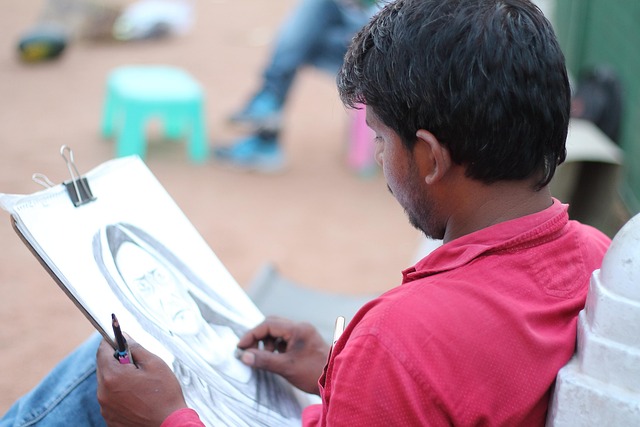
A recent series of street portraits created with pastel has revitalized public spaces in several cities. By painting directly onto weathered walls, artists blend the medium’s softness with the grit of urban textures, creating an arresting juxtaposition. These works highlight stories of resilience, offering a visual testament to the community’s shared history and collective hope.
Future Horizons for Pastel Artists
The trajectory of pastel in fine arts points toward greater integration with technology. Digital platforms now enable artists to experiment with pastel textures virtually, providing new tools for planning and collaboration. Additionally, research into sustainable pastel production aims to reduce environmental footprints, making the medium more accessible to a broader audience.
For artists, the challenge remains to balance respect for the medium’s heritage with innovative application. As cultural currents shift, pastel will likely continue to evolve—maintaining its place as a bridge between past traditions and the vibrant possibilities of modern creative expression.