
Imagine strolling through a green expanse where the air is perfumed by blooming trees and the ground is studded with bronze, marble, and glass masterpieces. This is the essence of a statue park—a curated landscape that intertwines the natural environment with the human urge to capture the soul in stone and metal. While some may think of these spaces simply as ornamental, a closer look reveals a rich dialogue between art, history, and community. In the following sections we will walk through how a statue park becomes a living gallery, the techniques that bring its sculptures to life, and the cultural stories it preserves for future generations.
Roots of the Statue Park Tradition
The concept of dedicating a public space to sculptures dates back to ancient civilizations. In classical Greece, the Agora and the Acropolis served as communal stages where marble figures celebrated gods, heroes, and patrons. These early examples laid the groundwork for the idea that art should be accessible to all, not confined within the walls of a museum. Fast forward to the Enlightenment, when parks like the Jardin des Tuileries in Paris began to incorporate statues as focal points for civic identity.
The 19th century witnessed a surge in state-sponsored sculpture parks. Berlin’s Tiergarten and Washington, D.C.’s National Mall became iconic examples, featuring works by renowned sculptors that reflected national narratives. This period solidified the belief that public monuments serve as cultural touchstones, offering a tangible connection to shared heritage. Even as architectural styles evolved, the principle of integrating art into green spaces remained steadfast.
Materials and Methods: Crafting the Immortal
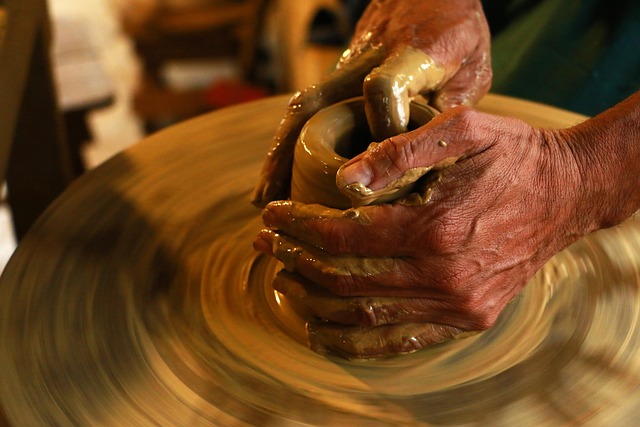
The creation of a statue is a multidisciplinary endeavor that blends artistry with scientific precision. Sculptors often start with a clay or wax model, a medium that allows for iterative shaping before committing to a final form. This prototype is then translated into a plaster mold, capturing every nuance of the original design.
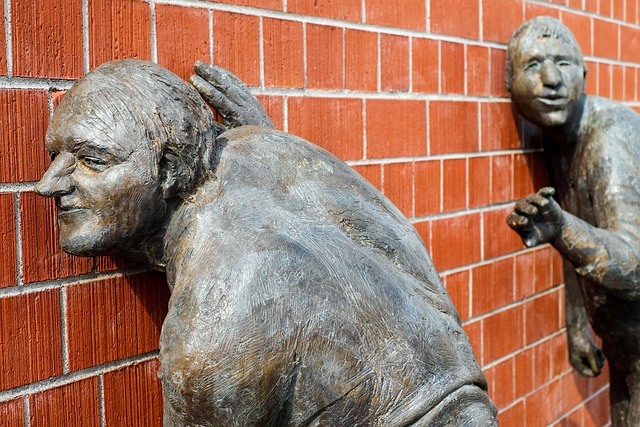
- Bronze casting: Perhaps the most celebrated technique, bronze offers durability and a warm, reflective patina that evolves over time. The lost-wax method, used since antiquity, ensures that the final piece retains the sculptor’s subtle gestures.
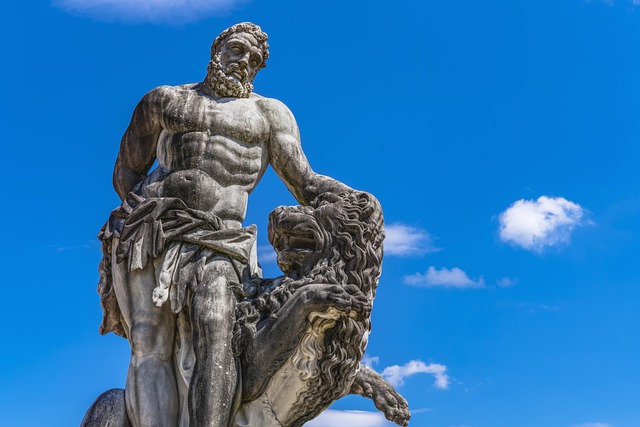
- Marble carving: When the subject demands fine detail, marble is preferred for its translucency and ability to reveal intricate textures. The famed Michelangelo’s David exemplifies how marble can convey both solidity and fluidity.
- Concrete and glass: Modern statue parks frequently experiment with these materials, creating works that play with light, shadow, and the park’s natural backdrop. The juxtaposition of transparent and opaque surfaces invites visitors to see the sculptures from multiple angles.
Each material carries its own symbolic weight. Bronze, with its industrial heritage, often commemorates civic progress, while marble evokes classical ideals. Contemporary parks may deliberately mix media to reflect the plurality of cultural narratives present in their locales.
Cultural Narratives in a Statue Park Setting
A statue park is more than a display; it is a conversation between past and present. The placement of a monument—a towering figure of a local hero or a delicate tribute to a forgotten artisan—creates a visual hierarchy that guides visitors through historical milestones. These works often embody themes such as freedom, resilience, and artistic innovation.
“When you walk through a statue park, you’re walking through a living history lesson,” says Dr. Elena Martínez, a cultural historian specializing in public art. “Each piece is a narrative thread that weaves into the broader tapestry of our community.”
Moreover, the surrounding landscape amplifies these narratives. Paths carved through the trees lead to viewing platforms, allowing the viewer to engage with the sculpture in a contemplative manner. Seasonal foliage changes can alter the mood of a statue, making the experience dynamic and seasonally relevant.
Visitor Experience: Beyond the Visual
The interaction between the public and a statue park is multi-sensory. Sound, for instance, plays a subtle role; wind through branches can echo the movement of a statue’s arms or the ripple of a sculpted river. Aromas from surrounding flora provide an olfactory backdrop that enhances emotional resonance. Some parks incorporate tactile elements—textured stones or interactive bronze panels—inviting hands to explore form and line.
- Guided tours: Local historians or volunteer guides often lead groups through the park, offering context that deepens appreciation for each piece.
- Educational workshops: Artists and educators sometimes conduct on-site workshops, allowing visitors to create their own miniature sculptures using clay or recycled materials.
- Community events: Seasonal festivals or music performances beneath bronze statues create immersive experiences that blend visual and auditory arts.
These layered experiences turn a simple walk into a cultural pilgrimage, fostering a sense of belonging among residents and a memorable impression on visitors.
Preservation and Sustainability in Modern Statue Parks
Maintaining the integrity of sculptures in a natural setting presents unique challenges. Weathering can erode bronze’s patina, while water runoff may damage marble surfaces. Conservationists employ protective coatings and regular maintenance schedules to preserve the intended aesthetic. Additionally, modern park planners are increasingly adopting sustainable practices, such as using locally sourced stone and integrating green infrastructure to manage stormwater.
Sustainable design also extends to visitor infrastructure. Solar-powered lighting illuminates pathways after dark, reducing energy consumption while enhancing safety. Native plantings around sculptures minimize the need for irrigation and support local biodiversity. Through these measures, a statue park can remain both a cultural landmark and an ecological steward.
Future Directions: Reimagining the Statue Park
As societies evolve, so too do the functions of public sculpture. Contemporary artists are experimenting with kinetic elements, digital projection, and interactive media to create sculptures that respond to viewers’ presence. Some parks incorporate augmented reality (AR) overlays, enabling visitors to visualize historical scenes or conceptual narratives without altering the physical environment.
Another emerging trend is the use of collaborative community art projects. Local schools, community groups, and even corporate sponsors might co-create temporary installations that reflect contemporary issues such as climate change or social justice. These transient works can spark dialogue and keep the park’s cultural relevance alive for each new generation.
Conclusion: The Enduring Resonance of the Statue Park
A statue park stands as a testament to humanity’s desire to immortalize ideas and individuals in three-dimensional form. By situating these works within a living landscape, the park becomes a bridge between the tactile beauty of sculpture and the intangible flow of cultural memory. Whether you approach it as a leisurely stroll or a profound cultural study, the experience of a statue park invites reflection on who we were, who we are, and who we aspire to become.
In an era where digital media often dominates, the tangible presence of fine art sculptures continues to remind us of the power of physical space to convey meaning, foster community, and preserve our collective heritage. As cities continue to grow and evolve, statue parks will remain essential sanctuaries where art, nature, and culture converge in harmonious dialogue.