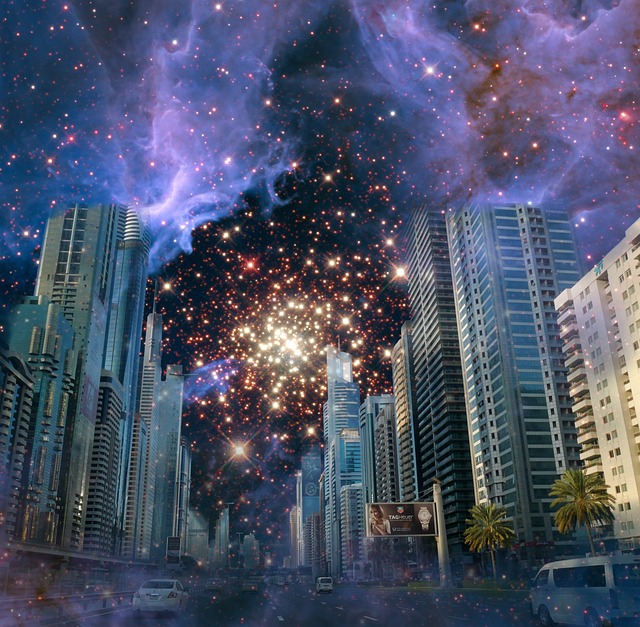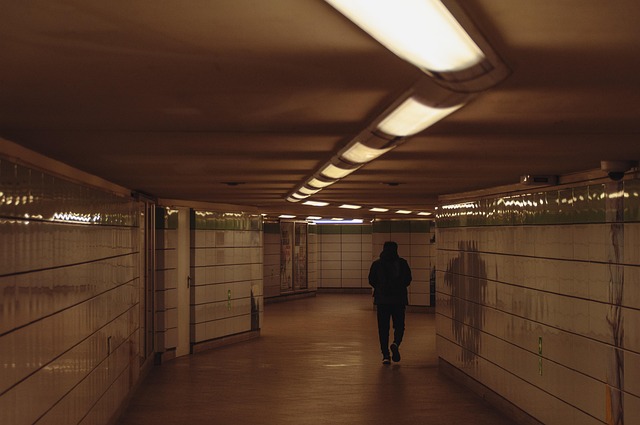


In contemporary practice, the concept of time‑based installation has become a central vehicle for exploring the fluidity of experience and memory within fine arts. Rather than presenting a static object, artists now orchestrate a sequence of sensations that unfold across space and duration. This dynamic approach challenges viewers to engage with art not as a single moment but as an evolving event, where perception shifts with each passing second. By foregrounding temporality, the time‑based installation turns the gallery into a living narrative.
Foundations of Temporal Space
At its core, a time‑based installation operates on a triadic relationship between place, process, and pause. The physical configuration provides a framework, but it is the ongoing process—light cycling, sound layering, or motion—that imbues the work with time. Viewers are invited to linger or move, experiencing the same spatial coordinates under varying temporal conditions. In this way, the installation becomes a palimpsest, where each encounter adds a new layer to the collective memory of the space.
Light as Narrative Thread
Light, both natural and artificial, often serves as the primary temporal driver in time‑based installations. Artists manipulate brightness, color temperature, and flicker to mirror psychological rhythms—heartbeat, breathing, or circadian cycles. For example, a gradual dimming can emulate sunset, inviting contemplation, while a strobe pattern may evoke the frantic pulse of a city. Through such modulation, the audience experiences an embodied timeline, where the visual language speaks directly to the body’s inner clock.
Soundscapes and Auditory Continuity
Soundscapes play an equally critical role in shaping the temporal atmosphere. Continuous ambient recordings, evolving electronic textures, or strategically placed speakers create an aural backdrop that evolves over the course of the exhibition. Auditory cues can mark transitions, signal climax, or simply sustain a mood. In many time‑based installations, silence itself is a deliberate choice, offering a moment of reflection that contrasts with the surrounding sonic flux.
Interplay of Silence and Movement
Silence, when used purposefully, can intensify the impact of movement within an installation. A sudden hush before a projected animation or a pause in a mechanical sequence allows viewers to absorb subtle details they might otherwise overlook. This interplay generates a rhythmic dialogue between motion and stillness, mirroring natural cycles such as the ebb and flow of tides or the alternation of day and night.
Materiality and Temporal Transformation
Materials selected for time‑based installations are often chosen for their capacity to change. Weathered wood, rusting metal, or translucent polymers respond to environmental conditions, altering color or texture over hours or days. By incorporating such mutable media, artists embed the passage of time into the very fabric of the work. The audience witnesses a living transformation, which encourages a contemplative engagement with impermanence.
Process Documentation as Artefact
Documentation of the installation’s evolution—video logs, sensor data, or artist journals—can be presented alongside the work itself. This layered approach turns the process into an artefact, allowing visitors to trace the chronology of changes. In doing so, the installation transcends its physical presence, extending into the digital domain and reinforcing the idea that art exists in a continuum rather than a fixed point.
Viewer Participation and Temporal Agency
Modern time‑based installations often invite active participation. Interactive sensors might trigger changes in lighting or sound when a viewer moves through a threshold, thereby making the audience an integral part of the temporal sequence. This participatory model dissolves the traditional barrier between observer and artwork, granting visitors agency over the unfolding narrative and fostering a personal connection to the experience.
Embodied Time and Spatial Perception
As participants navigate the space, their own bodily rhythms—step cadence, breathing, heart rate—interact with the installation’s programmed tempo. Some works even incorporate biometric feedback, adjusting parameters in real time to mirror the viewer’s physiological state. This embodied time blurs the line between external and internal, creating a synchronized dialogue that is both intimate and expansive.
Cultural Context and Historical Continuity
Time‑based installation does not exist in a vacuum; it is deeply rooted in cultural narratives about temporality. Indigenous storytelling traditions, for instance, emphasize cyclical time, which is reflected in installations that loop or repeat motifs. Contemporary artists often reference historical moments—industrialization, digitalization—to comment on the acceleration of time in modern life, juxtaposing the slow decay of materials with the rapid shift of digital media.
From Performance to Permanent Space
Many time‑based installations evolve from temporary performance pieces. By adapting live performances into enduring spatial configurations, artists preserve the temporal essence while allowing continuous audience interaction. This transformation underscores the adaptability of time‑based installation, highlighting its capacity to bridge the immediacy of performance with the contemplative depth of spatial art.
Future Directions and Technological Synergy
Emerging technologies—augmented reality, artificial intelligence, and responsive textiles—promise to expand the horizons of time‑based installation. AI-driven algorithms can generate evolving visual patterns that respond to real‑world data streams, creating installations that are perpetually in flux. Meanwhile, wearable devices can provide personalized temporal experiences, tailoring the flow of light or sound to individual preferences. These innovations signal an exciting future where time‑based installation becomes increasingly immersive and adaptive.
Ethics of Temporal Art
With greater temporal control comes responsibility. Artists must consider the psychological impact of prolonged exposure to intense sensory environments. Ethical guidelines suggest incorporating breaks, providing clear information about duration, and ensuring that the installation remains accessible to diverse audiences. By balancing artistic ambition with viewer well‑being, the time‑based installation can continue to evolve as a humane, engaging medium.